The Amish Ordnung: Discovering the Heartbeat of a Simple, Faith-Filled Life

The Amish Ordnung is far more than a list of dos and don’ts. It’s the quiet, steady compass that has guided generations of Amish people toward a life of deep faith, strong families, and intentional community. If you’ve ever felt pulled in a hundred directions by modern life—endless scrolling, status symbols, and the pressure to keep up—you’ll find something profoundly refreshing in understanding the Amish Ordnung. It offers a radically different way of being human.
You see, behind those horse-drawn buggies and plain clothes lies a thoughtful system designed not to trap people, but to free them. Free them from the chaos of constant comparison. Free them to focus on what truly matters: God, family, hard work, and one another. Let’s walk through this together and discover why the Amish Ordnung still resonates so powerfully today.
What Exactly Is the Amish Ordnung?
At its core, the Amish Ordnung is a set of guidelines—mostly unwritten—that shape how Amish communities live out their Christian faith in everyday details. The German word “Ordnung” simply means “order” or “discipline.” But don’t let the simplicity fool you. These rules touch everything: what you wear, how you travel, who you marry, how you worship, and even how you spend your Sunday afternoons.
Think of it like the operating system for an entire way of life. Each local church district has its own version, passed down through lived example more than formal teaching. It’s reviewed twice a year during special council meetings, right before communion. That rhythm keeps it alive and relevant rather than frozen in time.
The goal? To help people live humbly before God and stay separate from influences that could pull the community apart. It’s not about control for control’s sake. It’s about protecting something precious: a shared life of peace, purpose, and belonging that many of us secretly long for in our hyper-connected world.
The Roots That Shaped the Amish Ordnung
To really understand the Amish Ordnung, you have to go back a few centuries. The story begins with the Anabaptist movement in 1525 Switzerland—believers who insisted on adult baptism and following Jesus’ teachings literally, even when it cost them everything. Persecution drove many underground or into hiding.
Fast-forward to the late 1600s. A passionate leader named Jakob Ammann pushed for stricter accountability within the Swiss Brethren churches. He emphasized consistent shunning of those who broke their baptism vows and more frequent communion. When others disagreed, a split happened in 1693. Those who followed Ammann’s convictions became known as the Amish.

Core Principles That Breathe Life into the Amish Ordnung
Several big ideas run through every version of the Amish Ordnung:
- Humility (Demut): Pride is seen as the root of so many problems. Rules about plain dress, no fancy cars, and limited technology all point back to this. It’s not about looking poor—it’s about refusing to let possessions or status define you.
- Yieldedness (Gelassenheit): Surrendering your own will to God and the community. This shows up in accepting the group’s decisions even when they’re inconvenient.
- Separation from the world: Not hatred of outsiders, but a deliberate choice to limit influences that could weaken faith or family bonds.
- Community over individual: Your choices affect everyone. That’s why decisions about technology or behavior are made together, not in isolation.
These aren’t abstract theories. They show up in real choices you see every day in Amish country.
How the Amish Ordnung Shapes the Way People Dress
Walk through any Amish settlement and the clothing tells a story. Men wear broadfall trousers held up by suspenders, solid-colored shirts, and wide-brimmed hats. Married men grow beards but usually keep mustaches trimmed or absent (a historical nod to avoiding military associations). Women wear long dresses in solid or small-print fabrics, often with aprons and capes, plus the distinctive white prayer covering called a kapp.
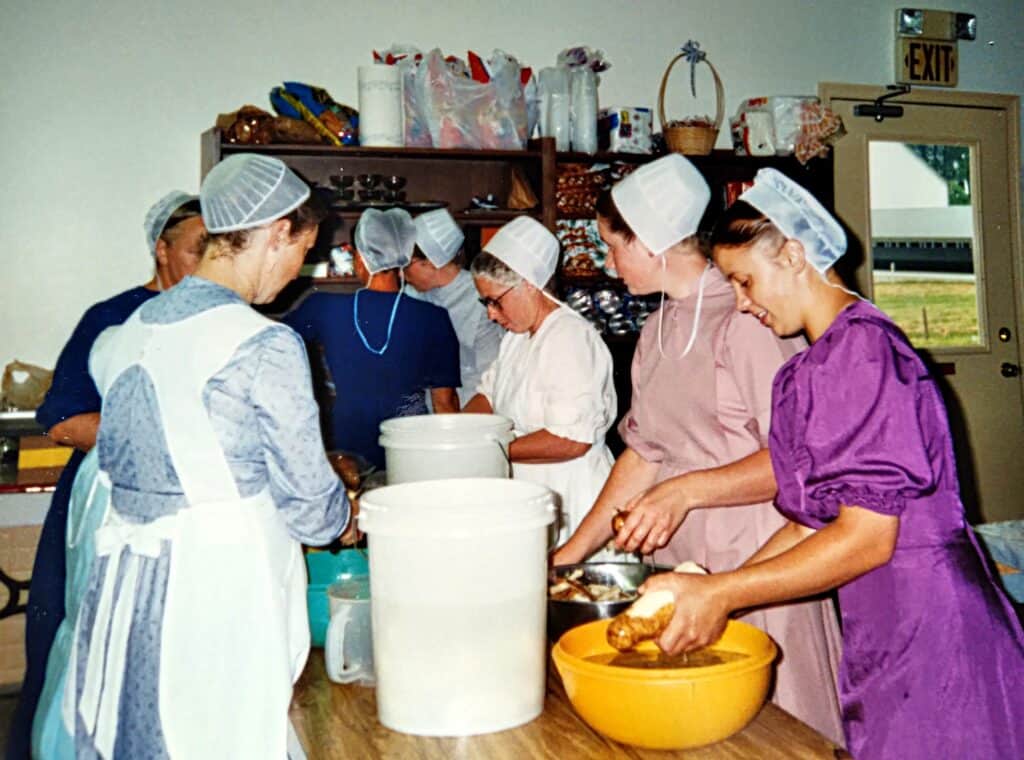
Why? Modesty and equality. Flashy clothes or jewelry can create envy or signal social climbing. The uniform style says, “We’re all on the same team here.” Head coverings for women connect to biblical instructions about prayer and authority. It’s not about oppression—it’s about identity and focus. When you’re not constantly deciding what to wear to impress others, you free up mental space for what actually matters.
You might notice slight differences between communities. Some allow brighter colors or slightly different styles. That’s the beauty of the Amish Ordnung—it flexes locally while holding the core values steady.
Technology and the Amish Ordnung: A Thoughtful “No” That Protects What Matters
This is where outsiders often get the most curious. Why no electricity in the home? Why horse and buggy instead of cars? The Amish Ordnung doesn’t reject technology because it’s “evil.” It asks a deeper question: Will this tool strengthen our community and faith, or slowly erode them?
Electricity from the grid brings televisions, internet, and constant connection to outside values. Cars make it easier to leave the community and harder to stay rooted. So most Old Order groups draw firm lines: no personal ownership of automobiles or grid power. Phones often live in workshops or little “phone shanties” at the end of the driveway. Some businesses use generators, solar, or compressed air tools creatively.
Family, Courtship, and Raising the Next Generation Under the Amish Ordnung
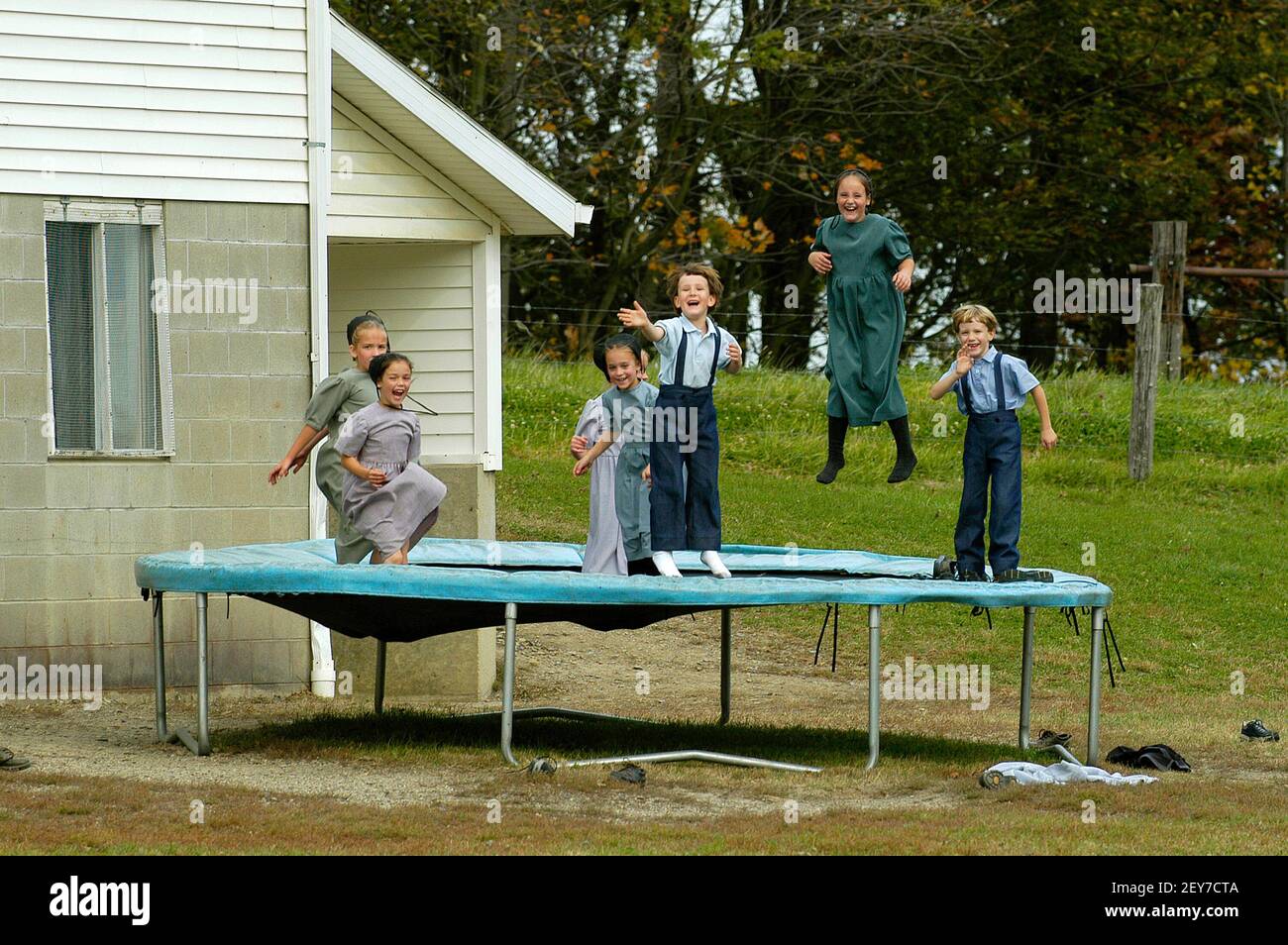
Family sits at the center of everything. Large families are common and celebrated. Children learn responsibility early through chores and helping on the farm or in the shop. Education usually stops after eighth grade in one-room schoolhouses, focusing on practical skills, character, and basic academics. The goal isn’t to climb career ladders but to prepare young people to contribute meaningfully right where they are.
Courtship happens within the faith. Young people get to know each other through group activities, singings, and supervised visits. In some of the more traditional groups, a practice called bundling (talking while lying fully clothed on a bed) once existed as a way to build emotional connection without physical temptation—though it’s fading in many places. Marriage is for life. Divorce is extremely rare.
The Amish Ordnung protects these bonds by discouraging anything that pulls families apart—whether that’s long commutes, entertainment that replaces conversation, or values that prioritize self over sacrifice.
Work, Worship, and the Rhythm of Amish Life
Hard work is almost a spiritual discipline. Farming remains central in many areas, but you’ll also find Amish woodworkers, builders, quilt makers, and business owners selling to the broader world. The focus stays on honest labor done well, without cutting corners or chasing endless growth at the expense of family or faith.
Worship happens every other Sunday in someone’s home or barn. No fancy church buildings or paid pastors. Lay ministers preach from the heart, often in Pennsylvania German. The in-between Sundays are for rest, visiting relatives, and simply being together. That rhythm creates space most of us have lost.
When Rules Are Broken: Shunning, Grace, and Restoration
The Amish Ordnung includes accountability. When someone consistently breaks the guidelines they vowed to follow at baptism, the community responds with a process meant to bring repentance and healing—not punishment for its own sake.
It usually starts with quiet conversations. If needed, it moves to a formal meeting. Persistent refusal can lead to shunning (called Meidung)—a period of limited social contact designed to help the person feel the weight of their choices and turn back. It’s tough love within a covenant community. Excommunication (the Bann) is rarer and considered a last resort.
Here’s what many outsiders miss: shunning is almost always temporary. Most people who experience it eventually return, confess, and are welcomed back with open arms. The goal is restoration, not rejection. It reflects the deep belief that true freedom comes from living within healthy boundaries together.
Not All Amish Are the Same: Beautiful Variations in the Ordnung
One of the biggest misconceptions is that every Amish person follows identical rules. In reality, there are dozens of different affiliations, each with its own Ordnung.
Old Order groups tend to be the most conservative on technology and dress. New Order Amish (who split in the 1960s) often emphasize personal Bible study, mission work, and slightly more openness to certain conveniences while still rejecting worldliness. Even stricter groups like the Swartzentruber maintain very traditional practices. These differences aren’t signs of division so much as healthy local discernment—each community asking, “What helps us follow Jesus faithfully right here?”
What the Amish Ordnung Teaches Us Today
You don’t have to become Amish to learn from them. In a culture drowning in choices, noise, and isolation, the Amish Ordnung models something powerful:
- The freedom that comes from limits
- The strength of shared values
- The beauty of putting people before possessions
- The peace of a life oriented around faith and family instead of endless consumption
Many of us feel the cost of our hyper-individualistic, always-on world. Loneliness is epidemic. Anxiety is rising. The Amish Ordnung quietly demonstrates another path—one where belonging isn’t earned through performance or appearance, but given as part of a covenant community.
Frequently Asked Questions About the Amish Ordnung
Can outsiders join the Amish? Yes, though it’s rare and requires genuine commitment. You’d need to learn the language, adopt the lifestyle, and be baptized into the church after a period of instruction. It’s a total life change, not a weekend hobby.
Do all Amish shun people who leave? It depends on the community and the circumstances. Some are stricter; others more lenient. The intent is almost always loving accountability rather than permanent exile.
Is the Amish Ordnung written down? Mostly no. It lives in the shared understanding of each district, reinforced through example, conversation, and the twice-yearly council meetings.
How do the Amish make money without modern technology? They’re incredibly resourceful. Many run successful businesses in woodworking, construction, retail, and farming. Some use modern tools indirectly or partner with English drivers for deliveries. Economic adaptation happens, but always filtered through the values of the Ordnung.
What about Rumspringa? Is it really a wild free-for-all? Media often exaggerates it. Rumspringa is a time for teens to explore before making their baptism commitment. Some do test boundaries, but the vast majority return and choose the Amish life. It’s more about informed choice than rebellion.
Final Thoughts: Why the Amish Ordnung Still Matters
In the end, the Amish Ordnung isn’t a cage. It’s a trellis—something that gives beautiful growth direction and support. It has helped a people survive persecution, cross oceans, and thrive for over 300 years while staying remarkably true to their core convictions.
You might not adopt horse-and-buggy living tomorrow. But you can borrow the wisdom: choose your influences carefully. Prioritize face-to-face community. Let your values—not the latest trends—shape your daily rhythms. Protect what’s sacred in your own life with the same intentionality the Amish bring to theirs.
The next time you see an Amish buggy clip-clopping down a country road, remember: inside that simple scene is a profound experiment in human flourishing that’s still going strong. The Amish Ordnung has something to teach all of us about what it really means to live well.
If this deep dive into the Amish way of life resonated with you, I’d love to hear your thoughts. What part of the Ordnung surprised you most? Which principle could you apply in your own corner of the world? Drop a comment or share this with someone who needs a reminder that simpler, more intentional living is still possible—and deeply rewarding.
The Amish Ordnung continues to invite us all to ask better questions about the life we’re building.