
What Are Amish People? Understanding Their Quiet, Faith-Filled World
Have you ever caught yourself wondering, what are Amish people really like? You spot a horse-drawn buggy on a back road, see families in simple clothes working the land or running a shop, and curiosity bubbles up. You’re not alone. In our noisy, always-on world, many of us feel drawn to these communities who choose a slower, more intentional path rooted in faith, family, and simplicity.
This post is your friendly guide. You’ll learn who Amish people are, where they came from, what they believe, how they actually live day to day, and why their way of life keeps growing stronger. Whether you’re planning a respectful visit to Amish country, writing about different cultures, or simply want to understand neighbors who live differently, you’ll walk away with real insight. Let’s explore together.
What Makes Someone Amish People?
Being Amish isn’t something you’re born into automatically, even if most are raised in the community. To become a full member, you make a conscious adult choice through baptism. Amish children grow up learning the language, values, work ethic, and faith of their people. When they reach their late teens or early twenties, they decide whether to commit for life through baptism into the church.
This adult baptism is serious business. It means agreeing to live by the Ordnung — the unwritten (sometimes partly written) guidelines of your specific church district. These rules cover everything from clothing and technology to how you interact with the outside world. Break them after baptism and you may face Meidung, or shunning — a period of social separation meant to encourage repentance and return, not permanent punishment.
You might be surprised how family-centered everything is. Large families are seen as a blessing from God, and it’s common for Amish people to have six, eight, or even ten children. Kids help with chores from young ages, learning responsibility and teamwork early. The community truly raises children together.
Outsiders converting is rare. It requires learning Pennsylvania German, adopting the full lifestyle, and showing genuine commitment. Most communities don’t actively recruit — they focus on living faithfully and letting the example speak. Many who try from the outside eventually return to modern life because the change is total. Amish people respect that choice deeply.

The Deep Roots and History of Amish People
Amish people trace their spiritual heritage to the Anabaptist movement of the 1500s during the Protestant Reformation. These early radicals believed in adult baptism (not infant), non-violence, and separating the church from state control. They faced severe persecution across Europe for these convictions.
In the late 1600s, a Swiss Mennonite leader named Jakob Ammann pushed for stricter practices, especially around shunning those who left the faith and stronger church discipline. This led to a split. His followers became known as Amish. Persecution continued, so many migrated to North America in the 1700s and 1800s, seeking religious freedom. Pennsylvania became a major early settlement area thanks to William Penn’s tolerant policies.
Today there are no Amish communities left in Europe. All the growth has happened here in North America. As of 2025, the Old Order Amish population in the United States and Canada sits around 410,000–411,000 and keeps climbing fast — one of the fastest-growing ethnic and religious groups on the continent. It roughly doubles every 20 years thanks to large families and high retention rates. Pennsylvania still holds the largest population, followed closely by Ohio and Indiana, but new settlements keep popping up in other states as land prices rise in traditional areas.
Are Amish People an Ethnicity?
Yes — Amish people qualify as a distinct ethnic group. They share common European ancestry (primarily Swiss, German, and Alsatian), a unique language (Pennsylvania German, often called Pennsylvania Dutch), distinctive cultural practices, and strong endogamy (marrying within the group). This creates a recognizable identity passed down through generations.
Most Amish people speak Pennsylvania German at home and in church, though they learn English in school and use it for business with outsiders (“the English,” as they often call non-Amish). Many can understand standard German to varying degrees because of linguistic roots.
Their rapid population growth and distinct way of life make them stand out demographically. You see the results in tight-knit communities where everyone knows their neighbors and mutual aid is the norm — barn raisings, helping with harvests, or supporting families in crisis.
Core Beliefs That Shape Amish People
At the heart of everything for Amish people is a living Christian faith. They take the Bible seriously and aim to follow Jesus’ teachings in daily life. Key values include:
- Humility and yieldedness (Gelassenheit): Yielding your will to God, the church, and the community rather than chasing personal ambition or pride.
- Non-resistance: Pacifism. They don’t join the military, sue in court lightly, or use violence.
- Community over individualism: The good of the group matters more than personal desires. This shows up in shared decision-making and mutual support.
- Separation from the world: Not hating outsiders, but protecting their way of life from influences they believe could erode faith and family.
Church happens every other Sunday, often rotating between homes or in simple meetinghouses. Preaching is in Pennsylvania German, a cappella singing uses the old Ausbund hymnal, and services emphasize practical application of Scripture. There’s no paid professional clergy — bishops, ministers, and deacons are chosen by lot from among the men and serve while continuing their regular work.
The Ordnung: Rules That Guide Amish People’s Daily Choices
The Ordnung is the practical blueprint for living out those beliefs in a specific community. It varies from district to district and even between affiliations. What’s allowed in one place might be frowned upon in a stricter one. Bishops and ministers lead, but the whole church has input.
Common areas it covers:
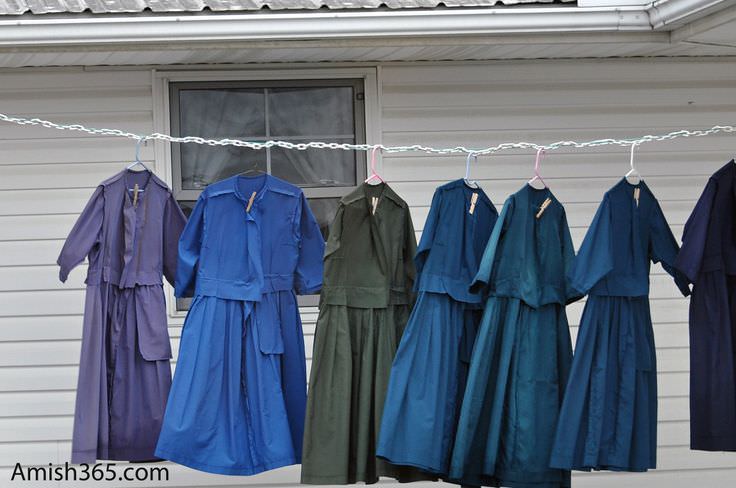
- Plain dress that promotes humility and uniformity (reduces vanity and class differences).
- Limits on technology that could pull families apart or introduce worldly influences.
- Guidelines around work, leisure, courtship, and interaction with outsiders.
You won’t find a single universal rulebook because each district adapts it to their context while staying true to core principles. This flexibility within structure is part of what keeps Amish people resilient.
Old Order, New Order, and Other Amish People Groups
Not all Amish people are the same. The biggest and most traditional branch is the Old Order Amish — the ones most people picture with strict plain dress, horse-and-buggy travel, and very limited electricity from the grid.
New Order Amish emerged in the mid-20th century with a desire for more personal Bible study, stronger emphasis on evangelism or spiritual renewal in some cases, and slightly different approaches to youth supervision and technology. They often still use horse-and-buggy but may allow more battery power or limited modern tools in businesses.
Other groups like the Beachy Amish are more progressive — many drive cars, use electricity more freely, and have mission outreach while keeping plain dress and Anabaptist theology. Then there are very conservative affiliations like the Swartzentruber Amish who maintain stricter standards across the board.
When you meet Amish people, it helps to remember these differences exist. What you see in Lancaster County, Pennsylvania, might differ from a settlement in a newer area or a more conservative district.
A Glimpse Into Daily Life for Amish People
Picture this: roosters crowing before dawn. Families gather for a hearty breakfast — eggs, homemade bread, sausage or scrapple, maybe pie. Then it’s chores. Men and older boys head to the fields, shop, or construction site. Women and girls manage the home, garden, laundry (often on a gas-powered wringer washer), cooking, and often contribute to family businesses like quilting, baking, or crafting.
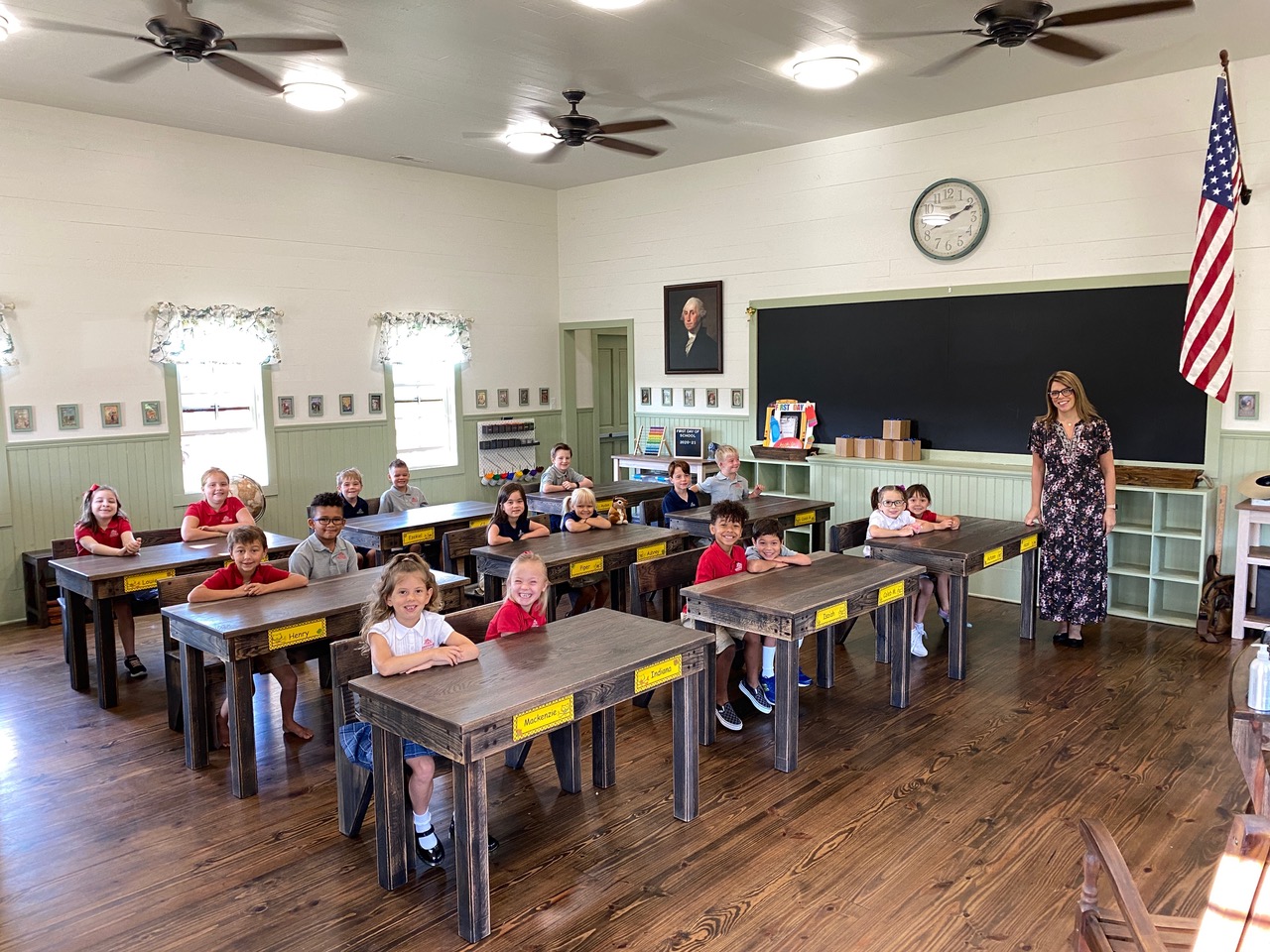
Children attend one-room schoolhouses run by the community until eighth grade. The focus is reading, writing, arithmetic, and practical skills. After that, most young people apprentice in a trade or help full-time at home or in the family business. Higher education is rare in traditional groups because it’s seen as potentially pulling people away from the community and faith.
Evenings often bring family time, reading, games, or visiting neighbors. Sundays (non-church) are for rest and family. The rhythm feels slower, but it’s full of meaningful work and connection.
How Amish People Work and Provide for Their Families
Many Amish people still farm, but not all. As good farmland grows expensive near traditional settlements, more families run small businesses: woodworking and furniture, quilts and crafts, baked goods, metal fabrication, or tourism-related services like buggy rides or bed-and-breakfasts (in areas open to visitors).
What stands out is the reputation for quality and integrity. Handcrafted items from Amish people often command respect because of the care and skill involved. Many sell directly or through markets to “English” customers. This economic engagement with the outside world has grown, yet they work hard to keep family and church central.
Mutual aid is huge — if someone’s barn burns or they face medical bills, the community rallies with labor and financial help. It reduces the need for commercial insurance in many cases.
Technology and Amish People: Thoughtful Boundaries, Not Blanket Rejection
Here’s where a lot of myths live. Amish people don’t reject all technology. They evaluate it carefully: Does this tool strengthen or weaken family and community? Does it promote humility or pride? Will it distract from what matters most?
You’ll see horse-drawn equipment in fields, but also some gas-powered or modified modern machinery. Many use batteries, solar in limited ways, or generators for specific shop needs. Telephones often sit in a “phone shack” outside the home rather than inside — convenient for business but not constantly interrupting family life. Personal cell phones are rare in strict groups; some businesses use them judiciously.
No televisions, radios, or personal internet in most traditional homes. The goal isn’t to be anti-progress for its own sake. It’s to protect time together, guard against influences they believe harm the soul, and keep life centered on faith and relationships. You can respect that intentionality even if your own choices differ.
Rumspringa and Raising the Next Generation of Amish People
Around age 16, many Amish youth enter rumspringa — “running around” time. It’s a period of more freedom before baptism. In some communities it’s quite low-key; in others, teens might try English clothes, attend parties, or ride in cars. The point is giving them a real taste of the outside world so their eventual choice to join the church (or not) is informed and voluntary.
Reality is usually quieter than sensational TV portrayals. Most young people eventually choose baptism and stay in the community — retention rates are often 80-90% or higher depending on the group. Those who leave are usually still loved by family, though relationships can be complicated.
Education stops at eighth grade in traditional settings because the focus shifts to learning a trade and contributing to the family and community. Practical wisdom and character matter more than advanced degrees in their view.
Joy, Connection, and What Amish People Do for Fun
Amish people aren’t somber all the time. They enjoy life within their boundaries. You’ll find board games, card games (no gambling), volleyball, baseball or softball played for fun rather than cutthroat competition, and lots of singing. Community events, weddings, and work frolics (group work projects followed by food and fellowship) bring everyone together.
Visiting is a favorite pastime — dropping by neighbors for conversation, coffee, and pie. Strong social bonds and regular face-to-face time create a deep sense of belonging that many outsiders envy.
Interactions With the Outside World and Common Misconceptions
Amish people are generally welcoming to respectful visitors. Tourism supports many families in places like Lancaster or Holmes County. They ask for basic courtesy: don’t take photos without permission (many believe it violates humility), dress modestly, and respect private property and worship times.
Common myths to clear up:
- They hate all outsiders or modern people — False. Many have warm business and personal relationships with non-Amish.
- They reject every form of technology — False. It’s selective and purposeful.
- They’re all farmers living in the 1800s — False. Many run modern businesses while keeping traditional values.
- They don’t pay taxes or participate in society — False. They pay most taxes (sometimes with exceptions around Social Security) and contribute through their work and communities.
- All Amish are the same — Definitely false, as we’ve seen with different affiliations.
When you approach with genuine curiosity and respect, doors often open.
Why the Amish Way of Life Endures and Inspires
In a culture obsessed with speed, convenience, and individual achievement, Amish people offer a living counter-example. Their high birth rates, strong families, low divorce in many communities, and tight mutual support networks produce resilience. They face challenges like any group — youth decisions, medical access in remote areas, economic pressures — yet their identity stays rooted.
What draws many of us is the visible priority on relationships over stuff, faith over fleeting trends, and community over isolation. You don’t have to adopt their exact rules to learn from their intentionality. Many of us feel seen in the quiet longing for simpler rhythms and deeper connections.
So, What Are Amish People Really?
They are a vibrant, growing community of Anabaptist Christians who choose to live set apart — not in hatred of the world, but in devotion to their understanding of faithful living. Amish people value humility, hard work, family, mutual aid, and a personal relationship with God expressed through everyday obedience. Their story stretches from persecuted beginnings in Europe to thriving settlements across North America today.
You might walk away from learning about them with fresh questions about your own priorities. What would it look like to be more intentional with technology, more present with family, or more connected to a supportive community? Their example invites reflection without demanding imitation.
If this peek into Amish people has sparked your curiosity, consider visiting an Amish area respectfully — support local businesses, ask thoughtful questions when appropriate, and leave with appreciation rather than judgment. Their craftsmanship, strong work ethic, and commitment to what they believe offer quiet lessons for anyone willing to look.
Thank you for reading with an open heart. The world feels a little richer when we take time to understand people who live differently from us. What part of Amish life surprised you most, or what would you like to explore next?


.png)


.png)