You’ve likely stumbled across stories or videos about the Amish and wondered what really goes on behind those simple farmhouse walls. The Amish Bedroom Ritual stands out as one of the most fascinating—and often misunderstood—aspects of their world. It’s not just about sleeping arrangements. It’s a deliberate, faith-guided practice called bundling that shapes how young couples build real connection before marriage.
If you’re curious about why a community that rejects most modern technology holds onto something that feels so old-fashioned, you’re in the right place. Let’s walk through this together, with respect and an open mind, because understanding different ways of loving and committing can actually teach us a lot about ourselves.
What Exactly Is the Amish Bedroom Ritual?
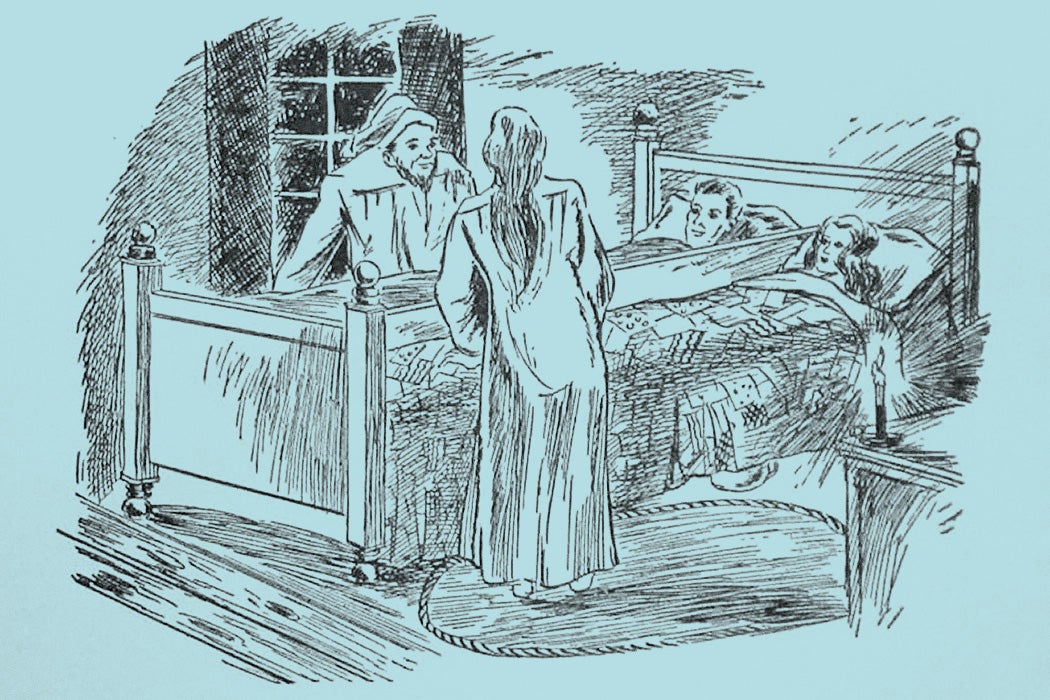
At its heart, the Amish Bedroom Ritual (also known as bundling or bed courtship) lets a serious courting couple spend the night together in the same bed—fully clothed, with clear physical boundaries in place. A wooden board or thick blanket often runs down the middle of the bed like a respectful wall. The goal isn’t romance in the physical sense we see in movies. It’s emotional closeness, honest conversation, and testing whether two people can truly share life without the pressure of intimacy clouding everything.
You might picture this and think, “That sounds awkward.” And honestly? For many of us raised on dating apps and quick sparks, it probably would be. But for the Amish, it fits their entire way of seeing the world: slow, intentional, and centered on God and family first. The ritual usually happens in the girl’s bedroom at her parents’ home. Her father might even let the young man in after everyone else has settled for the night. They talk for hours—about dreams, faith, family, farming, or whatever fills their hearts—while staying modest and separate.
This isn’t casual or frequent. It’s reserved for couples who are seriously considering marriage, often after months or years of getting to know each other through church events, singings, and buggy rides. The presence of family nearby adds a layer of accountability that feels protective rather than restrictive to them.
The Rich History Behind Bundling and the Amish Bedroom Ritual
Bundling didn’t start with the Amish. Its roots stretch back to pre-Celtic times in the British Isles and parts of the Netherlands, where it made practical sense in cold, drafty homes with limited beds and expensive candles or fuel. Young couples could stay warm and talk late into the night without burning resources or risking scandal by being alone in secret.
When European settlers brought the custom to colonial America—especially New England and Pennsylvania Dutch country—it became a common courtship tool. Parents approved because it kept everything under their roof. A bundling board or special sewn sack kept things proper while letting the pair discover if they could actually stand each other for a lifetime.
The Amish connection often gets tied to the biblical story of Ruth and Boaz. In the Book of Ruth, Ruth lies at Boaz’s feet overnight in a gesture of trust and commitment before their marriage. While interpretations vary, many Amish see a parallel: closeness without crossing lines, all under God’s watchful care. Over centuries, as mainstream society moved toward more private and physical dating, some conservative Amish groups held onto bundling as a way to preserve purity and build character.
Today it’s not practiced everywhere in Amish communities. More progressive groups have largely replaced it with supervised home visits or group activities. But in certain traditional Old Order circles, the Amish Bedroom Ritual still serves as a meaningful step toward marriage. That evolution itself shows how the Amish adapt while staying rooted in core values.
Step-by-Step: How the Amish Bedroom Ritual Typically Unfolds
Imagine you’re a young Amish man who has been courting a woman for a while. You’ve shared buggy rides home from Sunday singings, helped with chores at her family’s farm, and talked for hours on her porch. When both families sense real potential, and after prayer and discussion, the next level might involve bundling.
Here’s roughly how it goes in communities that still practice it:
- Parental and Community Blessing — Nothing happens without quiet approval. The young man asks permission or it’s understood through family conversations. Elders or parents make sure intentions are honorable.
- The Evening Arrival — He arrives after dark, often by buggy. The family welcomes him, they might share a simple meal or devotions, then everyone heads to bed at the usual early Amish hour (around 9 p.m.).
- Into the Bedroom — The young woman is already in her room. He joins her there. Both stay fully dressed—she in her long dress or nightclothes, he in shirt and trousers. A board or rolled blanket creates a clear divider down the center of the bed.
- The Night of Talking — This is the heart of it. They lie there and converse—sometimes for hours. They share stories, laugh quietly, discuss what marriage and raising children in the faith would look like, or simply enjoy each other’s presence without performance. No phones. No distractions. Just two people learning each other’s hearts.
- Morning and Departure — They rise early with the household (often before 5 a.m.). He helps with morning chores if appropriate, then heads home. The whole experience stays private and respectful.
Variations exist. In some homes the girl stays under the covers while he rests on top. In others, both are wrapped separately. The constant is the emphasis on conversation over contact and the complete absence of sexual activity.
Strict Rules That Shape the Amish Bedroom Ritual and Courtship
The Amish Bedroom Ritual only works because of ironclad boundaries. These rules come from the Ordnung—the unwritten (and sometimes written) code that guides Amish life—and they exist to protect everyone involved.
- Full clothing at all times. Modesty is non-negotiable.
- A physical separator (board, blanket, or even a special gown in some accounts) prevents accidental or intentional touching.
- No kissing, hugging, or anything that could lead to temptation during the night.
- Parental awareness or presence in the home provides supervision.
- It’s only for couples with serious marriage intent—not a casual sleepover.
- Everything happens with prayer and a focus on God’s will.
Breaking these boundaries can bring serious consequences, from private correction to, in extreme cases, shunning if repentance doesn’t follow. But the system is designed less for punishment and more for helping young people develop self-control and wisdom. The Amish believe sexual intimacy is a beautiful gift meant only for marriage. The ritual trains the heart and mind to wait.
You can see why outsiders sometimes call these “weird bedroom laws.” From the outside, it looks restrictive. From inside the community, it feels like loving protection for something sacred.
Why the Amish Bedroom Ritual Often Begins Around Age 15–16
Amish young people start thinking about courtship and marriage earlier than many of us expect—typically in their mid-to-late teens. By age 15 or 16, boys and girls are considered young adults responsible for their choices. Rumspringa (the “running around” period in some groups) gives more freedom to explore the world before baptism and full commitment to the church, but the serious courtship that might include bundling usually waits until they’re ready for marriage-minded relationships.
Preparation happens through family talks, church teachings, and observing married couples. Young people learn that marriage is a lifelong covenant, not just feelings. They’re taught the value of emotional intimacy, shared faith, and practical compatibility (can you work side-by-side through hard seasons?).
Starting the deeper conversations of bundling around this age lets couples test the waters while still under family guidance. Most Amish marry between 18 and 22—young by today’s standards, but it fits their goal of building large families and strong communities together.
Common Misconceptions About the Amish Bedroom Ritual
Let’s clear the air, because myths spread fast. Some people assume bundling is just a loophole for premarital sex or that the Amish are secretly permissive. The reality is almost the opposite: the practice exists specifically to avoid that. It channels natural attraction into safe, supervised emotional bonding.
Others think it’s forced or joyless. In truth, many who have experienced it describe it as sweet, nervous, and deeply connecting—the kind of night where you really see the other person’s character when no one’s performing.
And yes, not every Amish person or community does it the same way today. Some have moved away from literal bundling toward more modern (but still modest) courtship. That variety reminds us the Amish aren’t a monolith; they’re living communities making decisions together.
How the Amish Bedroom Ritual Strengthens Marriages and Community
Here’s where the beauty shines through. By the time an Amish couple marries, they’ve already spent hours talking through life’s big questions without the distraction of physical intimacy. They’ve practiced patience and self-control. They’ve shown respect for each other’s boundaries and families.
That foundation contributes to the famously low divorce rates in Amish communities. Marriages are built on shared values, proven character, and a commitment that goes far beyond initial attraction. The ritual also reinforces the entire community’s emphasis on putting God and others first.
For the couple, it can create a sense of “we did this the right way together.” For parents, it offers peace of mind. For the church, it upholds the standard that sex belongs inside marriage as a gift, not a test drive.
What the Amish Bedroom Ritual Can Teach Us in the Modern World
You don’t have to adopt bundling to learn from it. In a culture of swipe culture, situationships, and instant everything, the Amish approach asks powerful questions:
- What if we prioritized deep conversation before physical closeness?
- What if family and community had a voice in our biggest relationships?
- What if self-control and patience were seen as strengths instead of old-fashioned?
Many of us crave the kind of steady, lasting love the Amish seem to build. Their bedroom ritual is one tool in a larger toolbox of faith, simplicity, and intentional living. Even if the specifics feel foreign, the underlying values—respect, purity of intention, and emotional safety—resonate across cultures.
Final Thoughts on Embracing the Amish Bedroom Ritual with Understanding
The Amish Bedroom Ritual isn’t a quirky relic or a scandalous secret. It’s a sincere expression of a people trying to live out their faith in every corner of life—including the bedroom. By focusing on emotional intimacy, clear boundaries, and God-centered commitment, it offers a countercultural model of courtship that has helped sustain strong families for generations.
You might never experience bundling yourself, and that’s okay. But taking time to understand it with curiosity instead of judgment opens your heart to the richness of human diversity. Different paths can still point toward the same universal desires: to love well, to be known deeply, and to build something that lasts.
If this exploration of the Amish Bedroom Ritual has sparked your interest in Amish culture, courtship traditions, or simply rethinking how we approach relationships today, I’d love to hear your thoughts. What part surprised you most? What value from their way of life resonates with you?
The world feels a little smaller and kinder when we take the time to see through someone else’s eyes—even when those eyes belong to a community living by lantern light and horse-drawn buggies. Thanks for walking through this with me.