Amish Baptism Rituals: The Quiet, Powerful Moment That Changes Everything
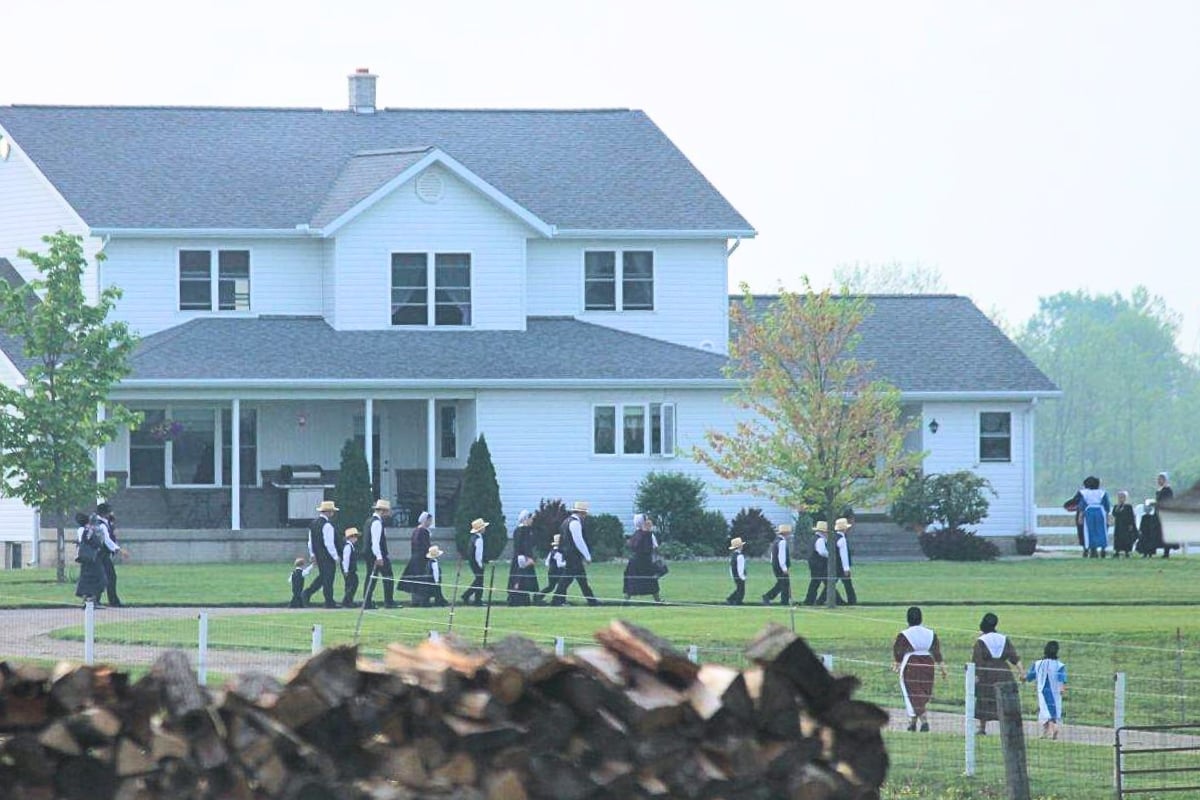
Amish Baptism Rituals are not just a ceremony. They are the single most important decision a young person in an Amish community will ever make. If you have ever wondered what really happens when someone chooses to join the Amish church as a full adult member, you are about to see it through a lens that feels personal, honest, and deeply human.
This is not a quick splash of water or a box to check. It is a lifelong vow made with eyes wide open, after years of watching, questioning, and sometimes wandering. For the Amish, baptism marks the moment a person stops being a child of the community and becomes a brother or sister who carries the same responsibilities, the same joys, and the same beautiful burden of faith.
You can feel the weight of it even before the water is poured.
Why Amish Baptism Rituals Wait Until Adulthood
Most of us grew up hearing stories of baby baptisms in other churches. A tiny infant in white, held by parents who promise on their behalf. The Amish see things differently, and their approach comes straight from their Anabaptist roots hundreds of years ago.
They believe baptism is a conscious promise between a person and God. You cannot make that promise for someone else. So they wait. Around age 18, when a young person is considered an adult in the eyes of the community, the real conversation begins.
Before that moment arrives, most Amish youth experience Rumspringa. It is not the wild party some outsiders imagine, though it can feel freeing. It is a season where the rules loosen just enough for young people to taste life outside the plain community. Some wear English clothes, listen to music, drive cars, or go to parties. Others barely leave home. The point is not rebellion. The point is choice.
You get to see what the world offers. Then you get to decide whether the Amish way still calls to you. That freedom makes the later commitment feel honest instead of forced. Many young people return from Rumspringa quieter, more thoughtful, and ready to talk seriously about their future.
The Quiet Work That Happens Before Amish Baptism Rituals
.png)
Nobody just shows up on baptism Sunday. There is real preparation that happens in the weeks and months before.
Candidates attend a series of instructional classes, usually led by the bishop and ministers. These are not dry lectures. They are honest conversations about what it means to live under the Ordnung — the unwritten but deeply felt rules that guide Amish life. Young people study the Bible, the Dordrecht Confession of Faith, and the practical ways their particular church district expects members to walk out their faith.
They talk about humility, forgiveness, non-resistance, and the daily choices that keep a community strong. They learn what communion really means and why only baptized members can take part. They hear stories from older members about the times faith felt hard and the times it felt like the only thing holding them together.
At the end of the classes, the church district takes a vote. Each member is asked privately whether they believe the candidates are ready to join. It is not a popularity contest. It is a sober check that the whole body feels these young people understand what they are stepping into. When the vote passes, the path opens.
You can imagine how that vote feels. These are the same people who have watched you grow up, corrected you gently, and prayed for you. Their yes carries real weight.
The Amish Baptism Ceremony: What Actually Happens
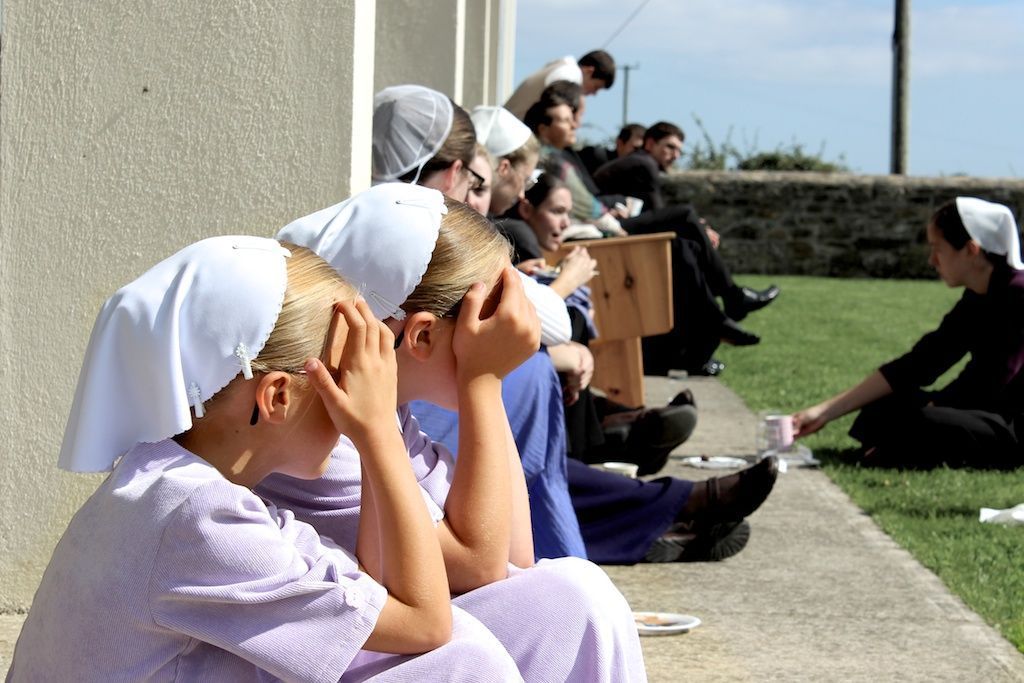
The day itself usually falls during a regular Sunday worship service, often in someone’s home or a simple meetinghouse. The whole district gathers. There is singing from the Ausbund, the old hymnal full of martyr songs. The preaching is long and heartfelt. Then the moment comes.
The candidates — both young men and young women together — are asked to kneel at the front. No special robes. Just their cleanest, plainest Sunday clothes. The room grows very still.
The bishop stands before each one and asks three clear questions. Do you believe in one God, the Father, the Son, and the Holy Spirit? Do you promise to be faithful to the church and its teachings? Will you submit to the discipline of the church if you should ever stray?
These are not trick questions. They are the same questions asked for generations. The candidate answers out loud, usually with a quiet but steady “yes.” There is often a pause. Sometimes a tear. The bishop gives one last gentle reminder: this is forever. You can still walk away right now if your heart is not ready.
Most stay.
Then the bishop pours water over the person’s head three times — once for the Father, once for the Son, once for the Holy Spirit. It is simple. It is ancient. It is powerful because everyone in the room knows what that water represents. A life handed over. A promise sealed.
After the water, the bishop gives the newly baptized member a holy kiss on the cheek or forehead. In some districts the deacon’s wife does the same for the women. It is not just a greeting. It is the church saying, “You are one of us now. We will walk with you.”
The service continues, but everything has changed for those kneeling at the front. They are no longer youth. They are members. They can now take communion. They can marry within the church. They carry the full responsibility of living the Amish faith every single day.
What Changes After Amish Baptism Rituals
The water dries. The holy kiss fades. But the commitment stays.
Life after baptism looks a lot like life before in many ways — same plain clothes, same work, same close family ties. Yet everything feels different because the choice was yours. You are no longer riding on your parents’ faith. You are living your own.
Baptized members are expected to put God and the community first. That shows up in small daily choices: how you speak, how you spend money, how you treat your neighbors, how you handle conflict. It also shows up in bigger ways. If someone falls into serious sin after baptism, the church may practice shunning — not as punishment for punishment’s sake, but as a loving (though painful) call back to the path.
Shunning is never casual. It is reserved for clear, ongoing rebellion against the vows a person made. Most people never experience it. The vast majority — around 90 percent — of those who go through Amish Baptism Rituals stay in the faith for life. That number tells you something important. These young people are not being dragged in. They are choosing with their whole hearts.
Why So Many Choose This Path
You might wonder why anyone would voluntarily step into a life of simplicity, hard work, and accountability when the outside world offers so many other options. The answer is not complicated, but it runs deep.
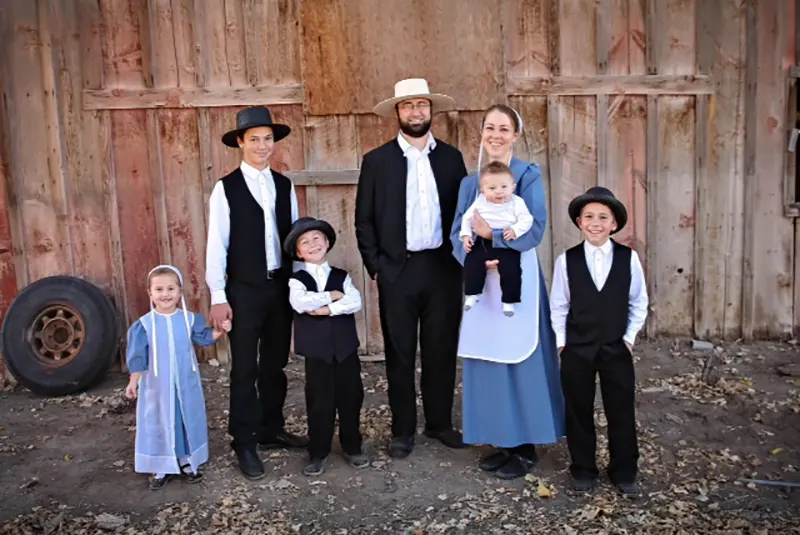
For most Amish young people, the community is not a cage. It is home. It is the place where they know they are loved, where their children will be safe, and where faith is lived out in real, ordinary days rather than just talked about on Sundays. The baptism ritual simply makes that belonging official.
There is also something profoundly freeing about making one big decision and then living inside its boundaries. Instead of spending a lifetime chasing the next thrill or wondering if you made the right choice, you pour your energy into the life you have already chosen. Many who go through Amish Baptism Rituals later say they felt a deep peace the moment the water touched their heads. Not excitement. Peace. The kind that comes when your heart finally stops fighting what it already knows is true.
Common Questions People Ask About Amish Baptism Rituals
Do both men and women go through the same ritual? Yes. There is no separation. Young men and young women kneel together, answer the same questions, and receive the same water and holy kiss. Equality before God is lived out in the ceremony itself.
What if someone changes their mind later? They are free to leave before baptism with no shame. After baptism, leaving is much harder because the vows were made to God and the church. Some do leave, and the pain is real on both sides. But the door is never slammed shut forever. Many who struggle eventually find their way back.
Is the baptism by immersion or pouring? Amish Baptism Rituals use pouring — water gently poured over the head three times. It is the historic Anabaptist way and fits the simple, humble spirit of the faith.
Can outsiders be baptized into an Amish church? It is extremely rare. The Amish way of life is so tied to community, family, and a lifetime of formation that most churches will not baptize someone who did not grow up inside it. The commitment is simply too all-encompassing.
The Beauty Hidden in the Simplicity
What strikes me most about Amish Baptism Rituals is how ordinary they look on the surface and how extraordinary they feel underneath. No lights. No music videos. No social media posts. Just a room full of plain people, a bishop with a pitcher of water, and a group of young adults brave enough to say “yes” to a life most of the modern world cannot understand.
That simplicity is the point. In a culture obsessed with bigger, louder, and more dramatic, the Amish remind us that the deepest commitments are often the quietest ones. They are made on hard wooden benches, with trembling voices, in front of people who will hold you accountable for the rest of your life.
If you have ever stood at a crossroads and felt the pull between two very different futures, you already understand a little of what these young people carry. The difference is they make their choice in public, in front of everyone who matters most to them, and then they spend the rest of their lives living it out together.
Final Thoughts on Amish Baptism Rituals
Amish Baptism Rituals are more than a tradition. They are a living picture of what it looks like to choose your people and your God on purpose. They remind us that real faith is not inherited like eye color. It is embraced, sometimes after wandering, and then sealed with water, words, and a holy kiss.
The next time you see an Amish family walking together or a line of buggies heading to a Sunday service, remember what happened in that quiet room for each adult member. They were not born into full belonging. They chose it. And every single day since, they have been choosing it again.
That kind of deliberate, costly love is rare. And it is beautiful.
If this glimpse into Amish Baptism Rituals touched something in you — whether you come from a faith background or simply admire people who live what they believe — I hope you carry it with you. The world needs more people willing to make hard, beautiful promises and then keep them, one ordinary day at a time.
Thank you for reading. May your own big decisions be made with the same courage and clarity these young Amish men and women show when they kneel and say yes.