
If you’ve ever wondered about Amish symbols while driving past quiet farms or admiring a handmade quilt, you’re not alone. These simple yet powerful emblems speak volumes about a people who choose faith, family, and humility over the noise of modern life.
You might expect flashy icons or bold religious logos, but Amish symbols work differently. They whisper instead of shout. They show up in the careful stitching of a quilt, the steady clip-clop of a horse and buggy, and the quiet markers of daily commitment. When you take time to understand them, you start to see why so many of us feel drawn to their way of life—it offers something real in a world that often feels chaotic and superficial.
Let’s walk through the real story of Amish symbols together, clearing up the myths and discovering what they truly mean for the people who live by them.
Amish Symbols and the Heart of Plain Living
The Amish didn’t set out to create a catalog of symbols the way some groups do. Their faith comes from deep Anabaptist roots that stretch back to the 1500s and the 1693 split led by Jakob Ammann. They believe in living out their convictions every single day rather than displaying them on walls or clothing for show.
You see this in their commitment to Gelassenheit—a yielded, calm spirit—and Demut, true humility. The second commandment against graven images and the call to avoid conformity with the world shape everything. That’s why you won’t find a single official “Amish logo” or prominent crosses on their buildings. Faith isn’t something they wear like a badge; it’s something they practice in how they treat neighbors, raise children, and work the land.
This doesn’t mean Amish symbols don’t exist. They simply take forms that fit a life of simplicity and community. When you look closely, you discover beauty in restraint.
The Horse and Buggy: The Most Visible Amish Symbol
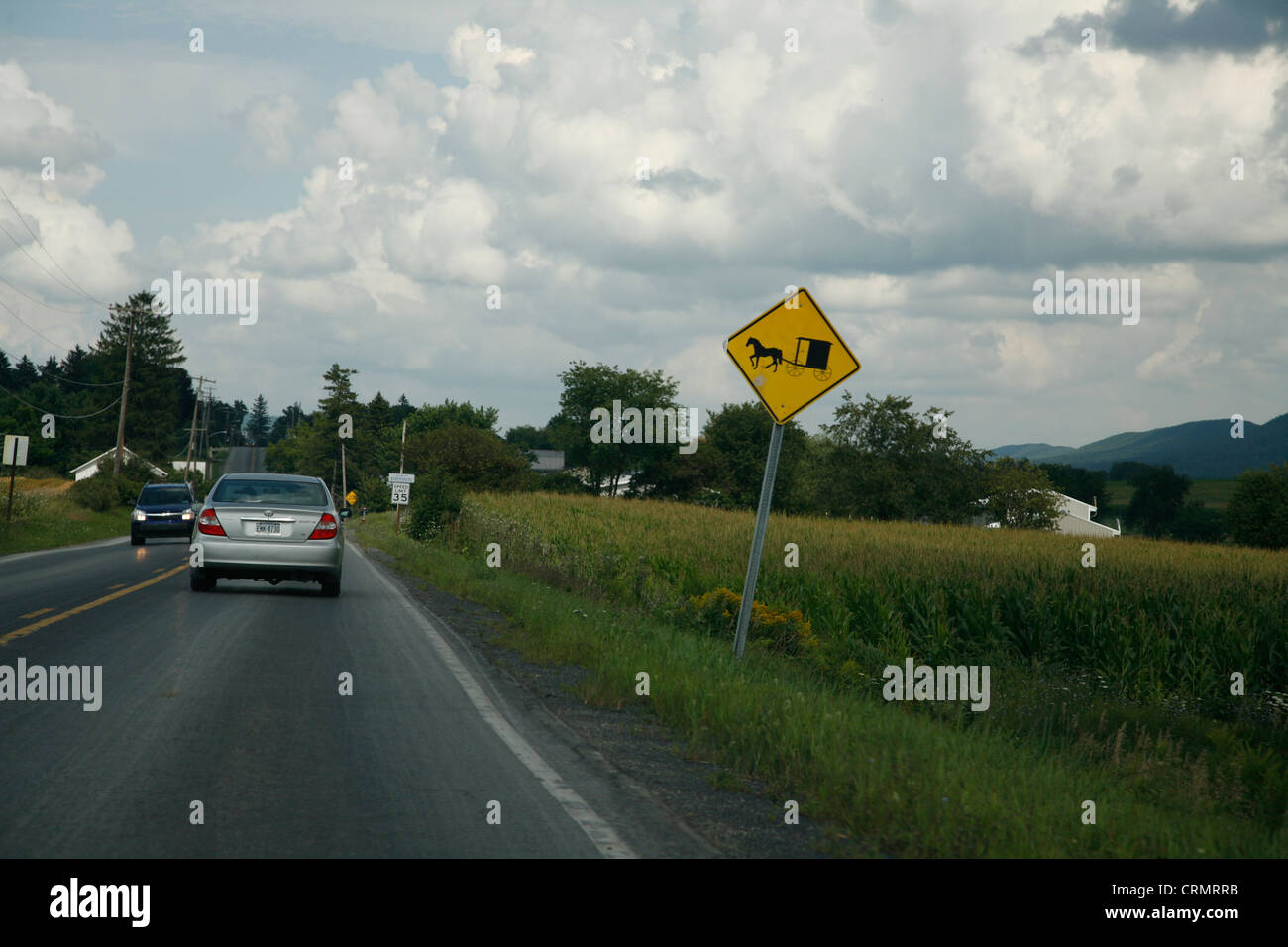
When you spot that familiar yellow diamond road sign with the black silhouette of a horse pulling a buggy, you’re seeing one of the most practical and meaningful Amish symbols in action.
The horse and buggy isn’t just transportation—it’s a deliberate choice. It represents separation from the fast, distracting pace of modern society. By traveling slower, Amish families protect their time for prayer, conversation, and being present with one another. The buggy keeps life at a human scale. You can wave to neighbors, notice the changing seasons, and arrive home without the stress of traffic or screens.
On the roads, those warning signs do more than prevent accidents—they quietly announce that a community lives differently here. They ask drivers like you to slow down and show respect. In a culture obsessed with speed and convenience, the horse and buggy stands as a gentle but firm reminder that another way is possible.
Amish Quilt Patterns: Where Symbols Come Alive in Thread
If there’s one place where Amish symbols truly shine, it’s in the quilts women have made for generations. These aren’t just blankets. They’re stitched stories of faith, love, home, and hope. Because representational images (people, animals, or religious scenes) can feel too prideful or close to graven images, Amish quilters use bold geometric designs instead. The result is stunning art that carries deep meaning.
You can feel the love in every seam. Quilting bees bring women together to laugh, share stories, and support one another while their hands create something lasting. Many quilts become wedding gifts or family heirlooms passed down for generations.
Here are some of the most meaningful patterns you’ll encounter:
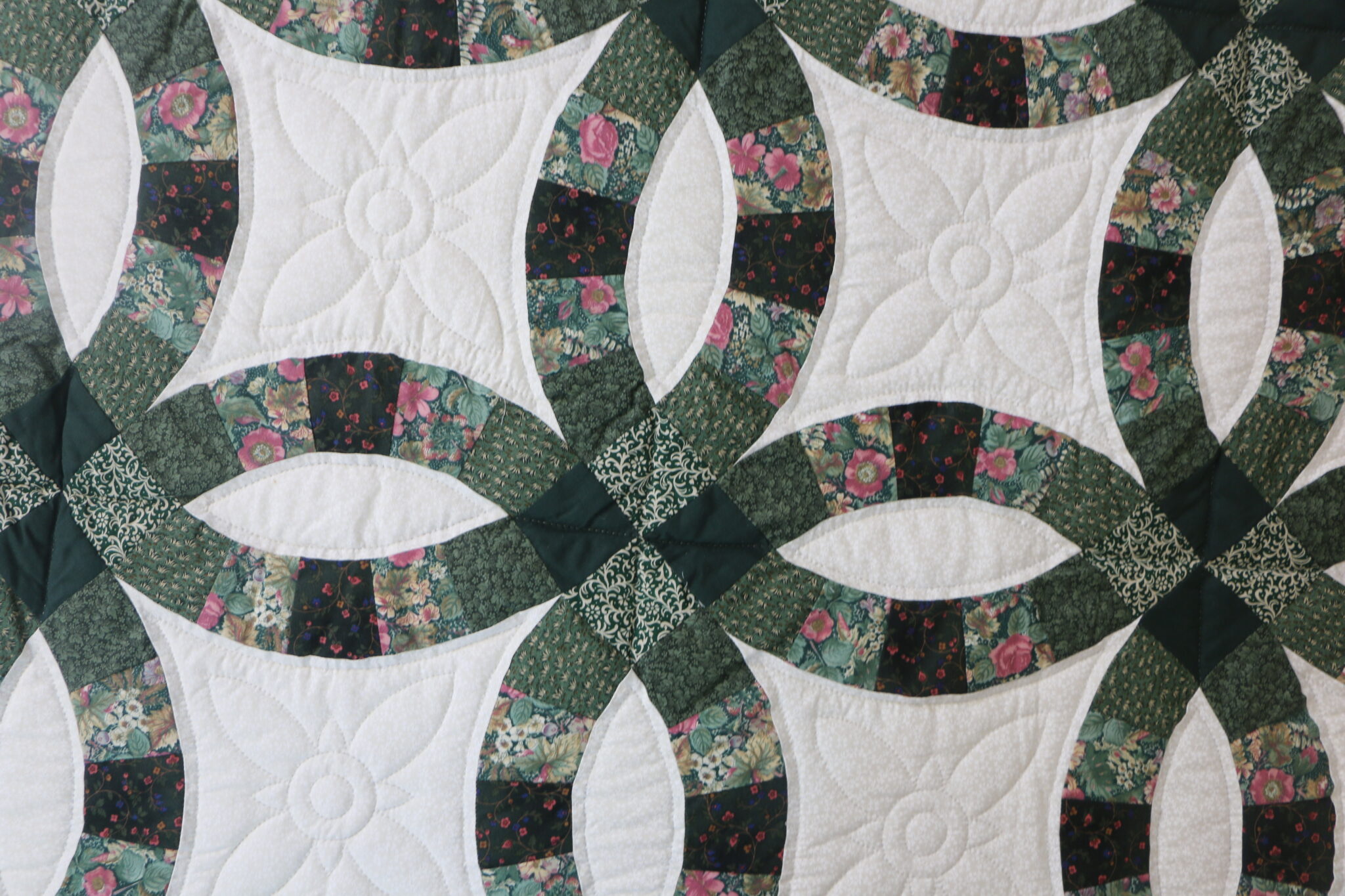
Double Wedding Ring Quilts The interlocking rings speak directly to marriage and lifelong commitment. Each circle connects to the next, showing how two lives become one while still keeping their individual beauty. These quilts are often given to new couples as a blessing for unity and enduring love. When you run your hand over the curves, you can almost feel the prayers stitched into them.
Star of Bethlehem and Eight-Pointed Star Quilts These radiant stars carry some of the richest Amish symbols. The Star of Bethlehem recalls the light that guided the wise men to baby Jesus. The eight points often point to new beginnings and resurrection hope—the “eighth day” after the six days of creation plus the Sabbath. In a world that can feel dark, these quilts remind everyone who sees them that faith still shines. Many families display or gift these during Christmas or times of transition.
Log Cabin Quilts The design looks like logs stacked around a central square, usually red. That red center represents the hearth—the warm heart of the home and family. The strips around it show how life builds outward from that core of love and faith. These quilts feel cozy and grounding, exactly like the values they celebrate.
Other favorites like the Lone Star or Sunshine and Shadow patterns carry similar messages of guidance, balance, and the interplay of light and dark in every life. The colors—deep blues, rich greens, warm reds, and purples—come from the same solid fabrics used in clothing. They’re chosen for durability and joy, not flashy trends.
When you own or even just admire an Amish quilt, you’re holding a piece of living tradition. These symbols aren’t mass-produced; they’re made by hand with intention. That’s part of their quiet power.
Do Amish Use Hex Signs or Barn Stars? Clearing Up the Confusion
One of the biggest misunderstandings about Amish symbols involves those colorful circular designs you see painted on barns across Pennsylvania Dutch country. People often call them hex signs or barn stars and assume they’re Amish.
They’re not.
These beautiful folk art pieces—with their stars, distelfinks (lucky birds), hearts, tulips, and rosettes—belong to the broader Pennsylvania German (“Fancy Dutch”) tradition. They started as decorative or sometimes talismanic art meant to bring good fortune, abundant crops, or protection. Some carry meanings tied to love, strength, or the seasons.

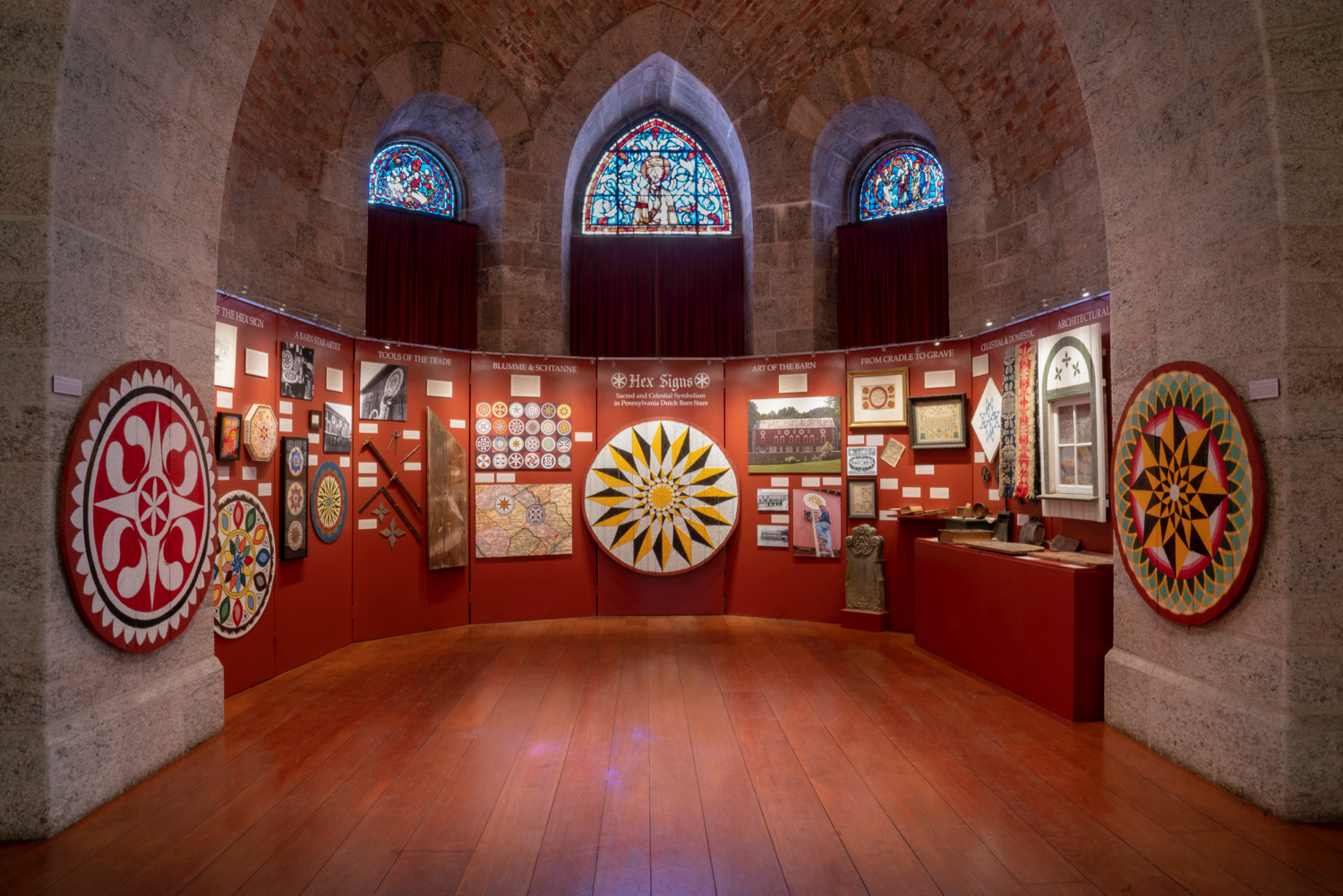
True Old Order Amish communities generally do not paint hex signs on their barns or homes. Their Ordnung (the agreed-upon rules that guide daily life) views such bright, showy decorations as unnecessary pride or vanity. Amish barns tend to stay simple and functional—often white, red, or unpainted—reflecting the same plain aesthetic you see in their clothing and homes.
The confusion makes sense because both groups share German roots and live in the same regions. Tourism has blended the images over the years. But when you visit actual Amish farms, you’ll notice the absence of these colorful circles. The real Amish symbols show up in quieter ways: the well-kept fields, the sturdy buggies, and the warm hospitality.
Understanding this difference helps you appreciate both traditions without mixing them up. It also shows how seriously the Amish take their commitment to humility.
Clothing and Personal Markers as Living Amish Symbols
You don’t need a quilt or a barn to see Amish symbols at work. They appear every day in how people dress and present themselves.
Married Amish men grow full beards (but no mustaches, a practice with historical roots in avoiding military associations). The beard becomes a visible sign of maturity, commitment, and covenant. Women wear the prayer kapp—a simple white cap—as a symbol of modesty, faith, and yieldedness to God. These aren’t costumes. They’re daily reminders of who they are and the promises they’ve made.
Solid-colored clothing in modest styles further reinforces the values of humility and equality. No flashy logos, no jewelry, no changing fashions to chase. When you see an Amish family walking together, you’re witnessing a living symbol of community and shared conviction.
These choices can feel radical in today’s world, but they free people from constant comparison and pressure. Many who visit Amish country come away wondering what parts of that simplicity they could bring into their own lives.
Why Amish Symbols Stay Simple: Faith Over Flash
At the core of every Amish symbol lies a profound choice. The community believes that true faith shows itself in how you live, not in what you display. Elaborate icons or mystical decorations could distract from the real work of loving God and neighbor.
This approach creates space for what matters most: strong families, supportive churches, honest work, and peace. When symbols do appear—in quilts, buggies, or personal appearance—they point back to those values rather than drawing attention to themselves.
You might find this refreshing. In a culture flooded with corporate logos, political symbols, and constant self-promotion, Amish symbols offer a different model. They’re not trying to sell you anything or prove superiority. They simply mark a path of quiet faithfulness.
Visiting Amish Country and Respecting Their Symbols
If you ever travel to Lancaster County, Holmes County, or other Amish areas, you’ll have the chance to see these symbols up close. Buy a quilt from a local maker, watch buggies pass, or enjoy a meal at a farm-style restaurant.
The best way to honor Amish symbols is with respect. Ask permission before taking photos of people (many prefer not to be photographed). Drive carefully around buggies. Support authentic Amish-owned businesses. And remember that their way of life isn’t a tourist attraction—it’s a deeply held conviction.
When you approach with genuine curiosity and kindness, you often receive the same in return. Many Amish families appreciate visitors who take time to understand rather than gawk.
Let Amish Symbols Speak to Your Own Life
You don’t have to join the Amish to learn from their symbols. The eight-pointed star can remind you to keep faith burning even on dark nights. The interlocking rings of a wedding quilt can inspire you to nurture your most important relationships. The steady horse and buggy can prompt you to slow down, put the phone away, and actually talk to the people you love.
In a noisy world that rewards speed and spectacle, these quiet Amish symbols offer something rare: an invitation to live with more intention, humility, and heart.
The next time you see a simple star on a quilt or a yellow buggy sign on the road, pause for a moment. Let it remind you that another way exists—one built on faith, family, and the kind of peace that doesn’t need to announce itself loudly.
Amish symbols may be subtle, but their message is powerful. They tell you that true richness isn’t found in more stuff or louder declarations. It’s found in the steady, faithful rhythms of a life well lived.
If this resonates with you, take one small step today. Maybe start a gratitude journal like the quiet reflection many Amish families practice. Or simply choose presence over distraction for one evening. The wisdom behind these symbols is available to anyone willing to listen.
You’ve now got a clearer picture of what Amish symbols really mean. They’re not mysterious codes or tourist gimmicks. They’re gentle guides pointing toward a life of meaning, community, and deep-rooted faith. And that’s something worth slowing down for.
May the quiet strength of these symbols stay with you long after you finish reading.