
If you’ve ever found yourself wondering about amish-hair-rules and why they feel so intentional and unchanging, you’re not alone. These guidelines aren’t about control or outdated fashion—they’re a living expression of faith, modesty, and deep community belonging that shapes how Amish people move through every single day. When you take the time to really understand them, you start to see something beautiful: a deliberate choice to keep life simple so the heart can stay focused on what matters most.
You might picture the iconic white prayer covering or the full beard on a married man and think, “That must be so restrictive.” But the people living these amish-hair-rules often describe the opposite—a quiet sense of peace and identity that the outside world’s constant pressure to change, style, and perform can never quite touch. Let’s walk through it together, one layer at a time, so you can feel what it’s really like.
The Biblical Heart Behind Amish Hair Rules
Everything starts with scripture. The Amish take the Bible seriously—especially passages that speak directly to how men and women should present themselves before God and each other.
In 1 Corinthians 11, Paul writes about head coverings and the natural glory of a woman’s long hair. Amish families read this as a clear invitation: a woman’s hair is meant to be her covering, a gift from God that brings honor when it’s kept long and cared for with respect. Cutting it would feel, to them, like trimming away something sacred. For men, verses in Leviticus about not rounding the corners of the beard or cutting the hair at the temples land as practical instructions for humility and distinction from the world.
You can feel the conviction when you talk with Amish friends or read their own explanations. These aren’t rules dreamed up by a committee to make life harder. They’re guardrails meant to protect the soul from vanity, distraction, and the endless chase for approval that modern culture pushes so hard. When you live with that mindset, even something as ordinary as brushing your hair in the morning becomes an act of worship.
How Amish Hair Rules Shape Women’s Daily Lives
For Amish women, long hair is non-negotiable. From the time they’re little girls, they’re taught that their hair is a crown of glory given by God. It grows long—often past the waist—and stays that way for life. No scissors, no layers, no “just a trim.” That decision carries emotional weight: every time they care for it, they’re reminded they’re cherished exactly as God made them.
The Prayer Kapp: More Than Just a Covering
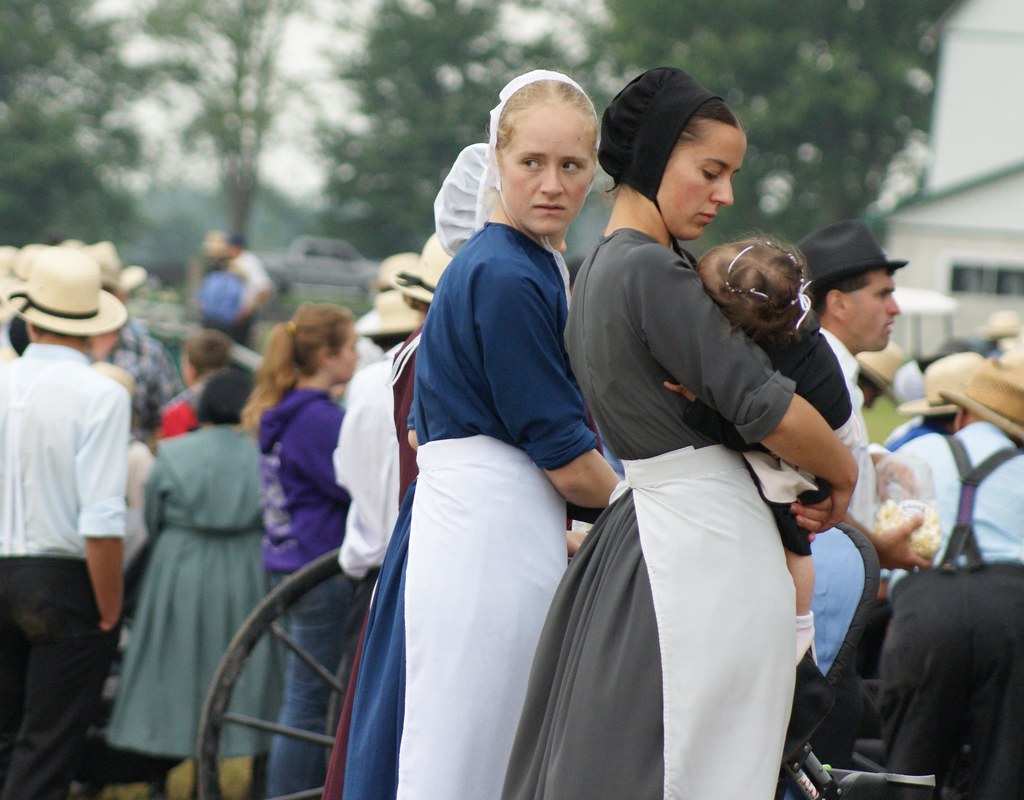
The white prayer cap (called a kapp) sits on top of that long hair every time a woman steps outside her home or into company. It’s not a
If you’ve ever found yourself wondering about amish-hair-rules and why they feel so intentional and unchanging, you’re not alone. These guidelines aren’t about control or outdated fashion—they’re a living expression of faith, modesty, and deep community belonging that shapes how Amish people move through every single day. When you take the time to really understand them, you start to see something beautiful: a deliberate choice to keep life simple so the heart can stay focused on what matters most.
You might picture the iconic white prayer covering or the full beard on a married man and think, “That must be so restrictive.” But the people living these amish-hair-rules often describe the opposite—a quiet sense of peace and identity that the outside world’s constant pressure to change, style, and perform can never quite touch. Let’s walk through it together, one layer at a time, so you can feel what it’s really like.
The Biblical Heart Behind Amish Hair Rules
Everything starts with scripture. The Amish take the Bible seriously—especially passages that speak directly to how men and women should present themselves before God and each other.
In 1 Corinthians 11, Paul writes about head coverings and the natural glory of a woman’s long hair. Amish families read this as a clear invitation: a woman’s hair is meant to be her covering, a gift from God that brings honor when it’s kept long and cared for with respect. Cutting it would feel, to them, like trimming away something sacred. For men, verses in Leviticus about not rounding the corners of the beard or cutting the hair at the temples land as practical instructions for humility and distinction from the world.
You can feel the conviction when you talk with Amish friends or read their own explanations. These aren’t rules dreamed up by a committee to make life harder. They’re guardrails meant to protect the soul from vanity, distraction, and the endless chase for approval that modern culture pushes so hard. When you live with that mindset, even something as ordinary as brushing your hair in the morning becomes an act of worship.
How Amish Hair Rules Shape Women’s Daily Lives
For Amish women, long hair is non-negotiable. From the time they’re little girls, they’re taught that their hair is a crown of glory given by God. It grows long—often past the waist—and stays that way for life. No scissors, no layers, no “just a trim.” That decision carries emotional weight: every time they care for it, they’re reminded they’re cherished exactly as God made them.
The Prayer Kapp: More Than Just a Covering
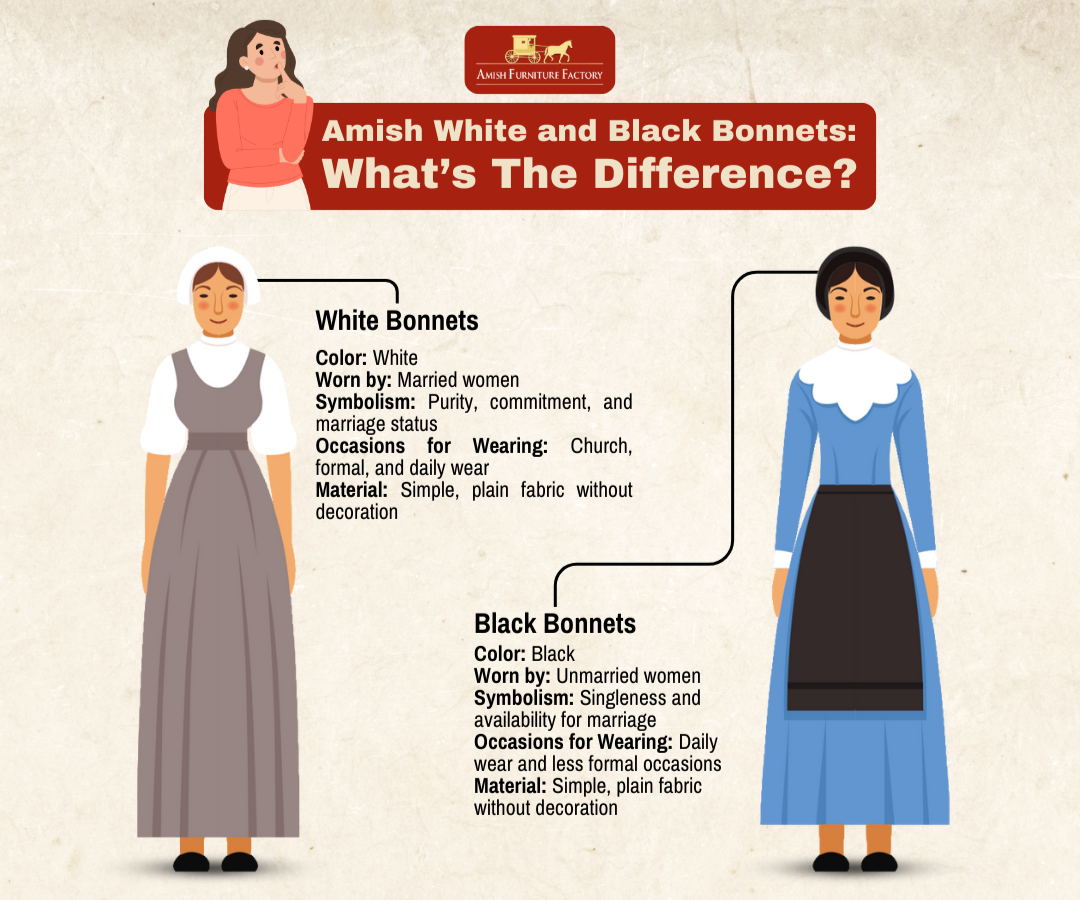
The white prayer cap (called a kapp) sits on top of that long hair every time a woman steps outside her home or into company. It’s not a fashion statement. It’s a visible sign of submission to God and a practical way to keep the hair—which they believe holds special beauty—modestly hidden from public view.
Young unmarried girls often wear black kapps or simpler coverings in some communities, while married women wear crisp white ones. The style of the kapp itself can tell you which church district a woman belongs to—some are heart-shaped, others more rounded, with different pleats or strings. But the heart behind it stays the same: “I choose to honor God with how I present myself.”
You might wonder what it feels like to pin your hair up every morning under that cap. Many Amish women describe it as grounding. The routine creates a rhythm—part your hair in the middle, braid it or twist it into a smooth bun at the nape of the neck, then secure the kapp with straight pins. No blow dryers, no curling irons, no hairspray. Just simple care with natural oils or homemade rinses when needed. It takes time, yes, but that time becomes prayer time, thinking time, or quiet conversation with daughters learning the same practice.
No Dye, No Drama—Just Natural Beauty
Gray hair? It’s accepted with grace. There’s no hiding it or coloring over it. The same goes for any natural wave or texture. Amish women aren’t trying to look like magazine covers; they’re trying to look like themselves before God. That freedom from comparison is something a lot of us on the outside secretly long for.
Amish Hair Rules for Men: Short Hair and the Beard That Means Everything
Men follow their own set of amish-hair-rules, and they’re just as meaningful. Their hair stays short and neat—nothing flashy, nothing that draws extra attention. A simple cut that works with hard physical labor and keeps the focus on serving God and family rather than on appearance.
But the real marker for Amish men comes after marriage: the beard.
Once a man says “I do,” he stops shaving his face. The full beard becomes his wedding ring—visible proof that he has committed his life to one woman and to the responsibilities of husband and father. It’s not trimmed into trendy shapes or styled with products. It grows naturally, often long and full, and is kept clean and orderly as a sign of respect.
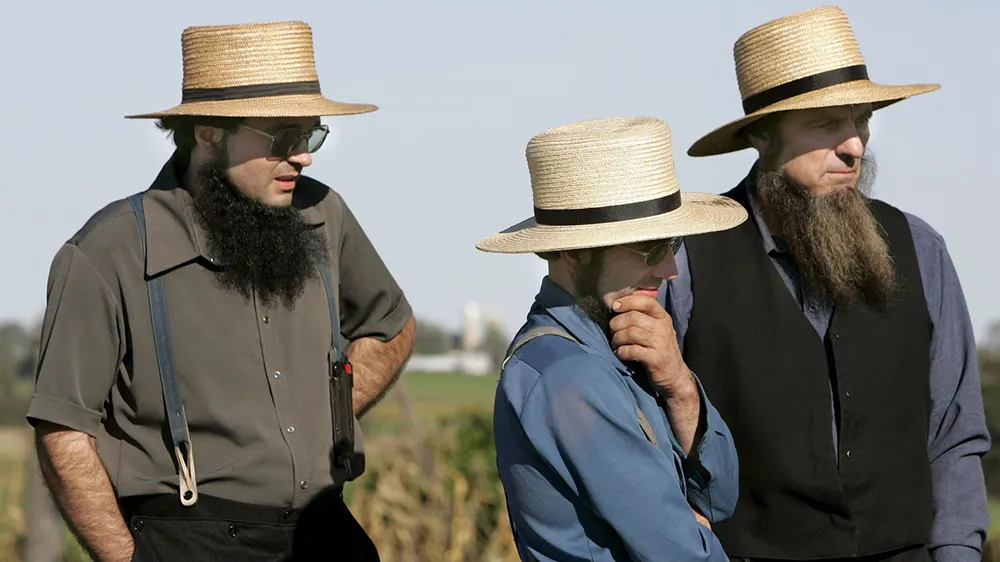
The mustache is the one thing that stays off-limits. Historically, mustaches were associated with soldiers and military pride—something the pacifist Amish reject completely. Today it also serves as a clear boundary: “I belong to this faith and this community.” When you see an Amish man with that distinctive beard and no mustache, you’re looking at a living symbol of covenant and conviction.
You can imagine the quiet pride a young husband feels the first time he lets his beard grow. It’s not vanity—it’s identity. And when you ask older Amish men about it, many will tell you the beard still reminds them daily of the promises they made on their wedding day.
Raising Kids Inside Amish Hair Rules
Children grow up seeing these practices modeled every day, so the rules feel normal and loving rather than forced. Little girls have their hair brushed and braided by mom or older sisters, and they start wearing smaller versions of the kapp early—especially when going to church or visiting. Boys keep their hair short from the start and dream about the day they’ll grow their own beard after marriage.
This passing down of tradition creates strong family bonds. A mother teaching her daughter how to pin a kapp just right isn’t just doing hair—it’s passing on values of modesty, patience, and faith. The same goes for fathers showing sons the dignity of a simple cut and the meaning of the beard to come.
Not Every Amish Community Does It Exactly the Same
Here’s something important to understand: amish-hair-rules have a strong core, but they’re not identical everywhere. The Amish aren’t one single group. There are Old Order communities with very traditional expectations, New Order groups that may allow a bit more flexibility in daily life while keeping the same heart principles, and other affiliations with their own slight differences in kapp style or how strictly hair is kept covered at home.
What stays consistent across almost all of them is the refusal to cut women’s hair and the expectation that married men will grow beards. The Ordnung—the agreed-upon rules of each local church district—gets reviewed and sometimes gently updated by the community itself. That’s why you might notice small variations in how the hair is parted or how the kapp strings are tied, but the deeper meaning never changes.
What It Actually Feels Like to Live These Rules
When you live inside these amish-hair-rules, hair care stops being about looking good for others and becomes about honoring God and staying connected to your people. There’s a beautiful simplicity in not having to chase every new trend or worry about whether your style is “in” this season.
Yes, it takes discipline. Braiding long hair every night so it doesn’t tangle, keeping the bun smooth under the kapp on hot summer days, or maintaining a full beard while working the fields—all of it requires intention. But that intention builds something rare: a quiet confidence that your worth isn’t tied to how the world sees you.
Many Amish people will tell you these practices bring freedom. Freedom from the exhausting cycle of comparison. Freedom to focus energy on family, faith, and meaningful work instead of appearance. When you sit with that truth for a minute, it’s hard not to feel a little envious of that kind of peace.
Clearing Up the Biggest Misconceptions
You might have heard that Amish women are forced to keep their hair long or that men grow beards only because “that’s the rule.” The reality feels gentler and more chosen. These practices are embraced as adults through baptism into the church, and most people who grow up Amish find deep meaning in them rather than resentment.
Another common mix-up is thinking all Amish groups are exactly alike. They’re not—and that’s part of what makes learning about amish-hair-rules so interesting. Each district holds its own counsel and decides together how to live out these biblical principles in their specific context.
And no, you won’t usually see someone shunned just for a hairstyle choice. The community reserves serious discipline for repeated, willful disobedience on core matters of faith. Hair rules matter, but they’re lived out with grace and teaching, especially with young people.
Amish Hair Rules in a Changing World
Even as the world around them races forward with new technologies and beauty standards, Amish communities hold steady. Tourism brings curious visitors who ask questions (sometimes the same ones you’re asking right now), and that interaction is handled with kindness and boundaries. Some families have adapted slightly for practical reasons while protecting the heart of the tradition.
For those who eventually choose to leave the Amish way of life, changing their hair can become part of stepping into a new identity. That decision carries its own weight—both loss and freedom—and it reminds us how deeply these rules are tied to belonging.
What Amish Hair Rules Can Teach All of Us
When you really sit with amish-hair-rules, you start to notice something powerful: they’re not ultimately about hair at all. They’re about choosing a life where outer simplicity protects inner richness. They’re about remembering every morning that you belong to God and to your people before you belong to any trend or expectation.
You don’t have to adopt the exact same practices to learn from them. Maybe it’s as simple as asking yourself: What in my own life could use a little more intention and a little less chasing after approval? Where could I trade vanity or comparison for quiet confidence?
The Amish have been living this way for generations, and their hair traditions continue to point to something timeless—beauty that doesn’t fade, commitment that shows on the outside because it runs deep on the inside, and a faith that shows up in the smallest daily choices.
If amish-hair-rules have sparked your curiosity, I hope this gave you more than facts. I hope it gave you a sense of the heart behind them—the same heart that makes so many Amish people feel deeply seen, loved, and grounded in who they are. That kind of rootedness? It’s something worth understanding, and maybe even something worth reaching for in your own way.
Thanks for walking through this with me. If these traditions moved you or made you think differently about simplicity and faith, you’re already carrying a little piece of that wisdom with you. And that’s a beautiful thing.


.png)
