Is Suddenly Amish Real? The Honest Truth About TLC’s New Reality Series
If you’ve been scrolling and caught yourself pausing on those trailers—regular people ditching their phones, cars, and chaos for horse-drawn buggies and quiet farm mornings—then yeah, you’ve probably asked it too: is suddenly amish real? You’re not alone in wondering. The TLC show Suddenly Amish, which premiered in January 2026, follows six non-Amish folks as they step into an Amish community in Lancaster County, Pennsylvania. They trade modern life for early chores, no electricity, and a faith-centered routine, all while wondering if they could actually stay. It’s pitched as this dramatic “reverse Rumspringa,” and it hits something real in a lot of us. But is the show itself the real deal, or is it just reality-TV magic dressed up in bonnets and buggies? Let’s talk about it like we’re sitting on the porch with sweet tea, no judgment, just honest conversation.
You know that feeling when your life feels too loud, too fast, and you catch yourself daydreaming about slowing way down? That’s the hook. The show taps straight into it. But before you start packing your bags for a buggy ride, let’s unpack what’s actually happening here—because your curiosity deserves more than surface-level answers.
What Exactly Is Suddenly Amish?
At its core, Suddenly Amish takes six everyday “English” (that’s what Amish folks call non-Amish people) and drops them into a traditional Amish setting in Lancaster, Pennsylvania. They live with host families, do the work, attend church, learn the rhythms, and face the very real question: Could I actually become Amish?
It’s the flip side of old shows like Breaking Amish. Instead of Amish kids tasting the outside world, it’s outsiders tasting the plain life. The promise is transformation—less screen time, more meaning, real community, and maybe even a deeper faith. Producers from Hot Snakes Media (the same folks behind those earlier Amish shows) set it up with all the classic reality-TV ingredients: culture shock, personal backstories, budding connections, and big emotional moments.
You watch these six people wake up before the sun, wrestle with outhouses or shared bathrooms, try to bake bread or milk cows for the first time, and navigate rules they never had to think about before. No phones buzzing. No quick Uber when you’re tired. Just you, the land, the people around you, and whatever’s going on in your own head and heart.
It sounds romantic from your couch. And parts of it are genuinely beautiful—the way a whole community shows up for each other, the peace that can come from fewer distractions. But you already know real life doesn’t edit out the hard parts for dramatic effect.
Meet the Six People Brave (or Desperate) Enough to Try It
Let’s be real—you probably see pieces of yourself or people you know in these cast members. That’s why it lands.
There’s Kendra, 33, from California. Former dancer and content creator who’s tired of chasing perfection on screens and battling body-image noise. She’s looking for purpose that doesn’t come from likes or filters. You get that, right? The exhaustion of performing your life instead of actually living it.
Then Judah, 22, from Missouri—a young rapper who loves the finer things but underneath all the swagger is craving real belonging. He’s got this germ-phobia thing that’s about to meet barn life head-on. Imagine trading luxury for mud and manure. The show leans into that contrast hard, and honestly, it’s both funny and a little heartbreaking to watch someone so young search for something solid.
Matt, 34, from Texas, is a newly divorced dad carrying that rugged-outside, vulnerable-inside energy. He wants a spiritual reset and values that actually hold up when everything else falls apart. If you’ve ever gone through a big life shake-up and thought “there has to be a better foundation than this,” you’ll feel him.
Aaron, 40, from Michigan, grew up as a pastor’s son. He’s drawn to the deep devotion he sees in Amish life, but he also lives with a hearing disability that normally relies on modern tech. That tension—wanting tradition while needing something the tradition doesn’t easily allow—feels very human.
Esmerelda (or Esme), 25, from Texas, never had the stable, traditional family she craves. She’s trying to untangle her identity from glamour and constant modern noise. You can almost feel her longing for roots that don’t move every time the wind changes.
And Billie Jo, 44, from New York. She’s been fascinated with Amish culture for years—already dresses the part in her daily life. This isn’t a whim for her; it’s a dream she’s carried a long time. Watching someone finally step into the thing they’ve idealized from afar? That’s where it gets emotional fast.
These aren’t cardboard characters. They’re real people with real aches—loneliness, burnout, broken relationships, the quiet “is this all there is?” that sneaks up on you in the middle of a busy life. The show puts those struggles right next to the Amish way, and you can’t help but root for them a little, even when you’re yelling at the screen.
The Amish Hosts and the Community They’re Stepping Into

On the other side are the Amish families opening their homes—Bishop Vernon, who comes across as a strong leader trying to grow his group in an unorthodox way, and hosts like Allen and Sarah, who’ve adopted kids and seem to bring patience and warmth. There’s James, working on redemption after some shunning, and Emma, his cousin who recently came back to the faith herself.
You see meals together, chores side-by-side, church services, and quiet conversations about faith and commitment. It looks intimate and real in moments. But here’s where things get complicated, and this is exactly why so many people are asking is suddenly amish real?
Is Suddenly Amish Real? The Big Authenticity Question
This is the part where we have to get honest with each other.
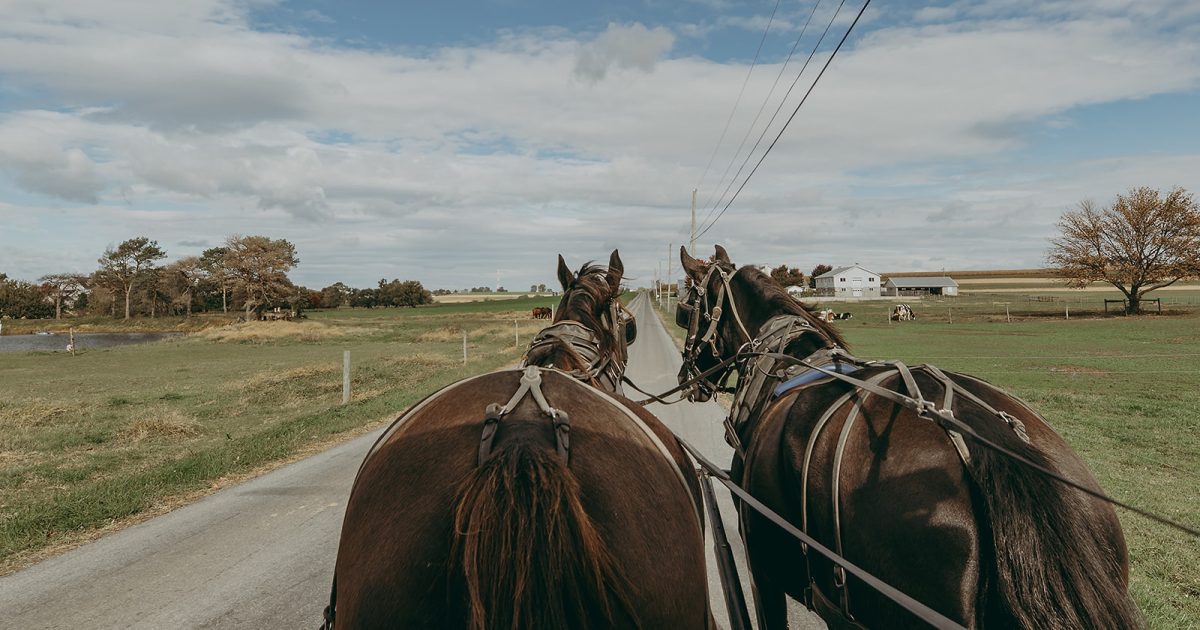
Traditional Amish communities are deeply private. They don’t seek the spotlight. Most avoid photography, television, and anything that pulls focus onto individuals instead of the group and God. So when a whole TV crew shows up to film an immersion experiment, red flags go up for anyone who actually knows Amish life.
Viewers who’ve watched the episodes (and experts who’ve studied Amish culture for years) have pointed out the same things over and over: clothing and bonnet styles that don’t quite match Lancaster norms, behaviors that feel off, and an overall sense that the “Amish” side sometimes plays more like characters than real people living their ordinary, private faith. The production company behind the show has a track record with earlier series that mixed real elements with heavy scripting and dramatization. That history makes a lot of folks skeptical.
Real conversion to the Amish faith isn’t a sudden thing. It usually takes at least a year—sometimes longer—of learning Pennsylvania Dutch, understanding the church rules (the Ordnung), proving you can live the life consistently, and being accepted by the community. It’s not a weekend retreat or a six-episode arc. It’s a total reorientation of your identity, your relationships, your daily habits, and your soul. The show compresses all of that for entertainment, and that compression is where reality starts to stretch.
Some moments feel genuine—the awkwardness of learning to do everything by hand, the emotional weight of missing family or struggling with rules that feel arbitrary at first. Those human reactions ring true. But when drama gets manufactured or people seem to be playing versions of themselves for the camera, it pulls you out. You start wondering how much is lived experience and how much is produced story.
So when people ask is suddenly amish real?, the fairest answer is: the show exists, the people participated, and some of the emotions and culture clashes are captured. But the deeper authenticity of Amish life—the quiet, un-filmed, community-protected version—gets filtered through reality-TV lenses. It’s entertainment first, documentary second. And that matters if you’re watching because you’re genuinely curious about the life, not just the spectacle.
Why the Show Hits So Hard (Even When It Feels Off)
Here’s the thing that keeps people watching and talking: underneath the questionable production choices, there’s a real ache the show taps into.
Modern life is exhausting in ways our grandparents never imagined. You’re reachable 24/7. Your worth gets measured in notifications and achievements. Families are scattered. Faith, for a lot of us, feels optional or watered down. Then you see these folks on screen wrestling with simplicity, early mornings, shared work, and a community that actually shows up when someone needs help. It looks like medicine for the soul.
You might not want to give up your car or electricity forever (most of us wouldn’t last a week without coffee makers and playlists), but the idea of more presence, less performance, deeper roots—that lands. The show makes you ask yourself quiet questions: What am I actually chasing? What would it feel like to build a life around faith and people instead of screens and status?
That’s powerful. Even if the show exaggerates or stages parts of it, the longing it reveals is honest. Plenty of viewers walk away thinking, “I don’t want to be Amish, but I do want more of that—whatever that peace and purpose is.”
What Real Amish Life Actually Asks of Someone
If you’re seriously wondering whether you could ever go “suddenly Amish,” here’s the grounded truth.
Amish life is beautiful in its intentionality, but it’s also physically demanding, socially tight-knit, and spiritually rigorous. You rise early. You work with your hands. You speak a different language in church and community settings. Technology that feels normal to you—phones, cars, internet, even some medical devices—gets left behind or heavily restricted. Your identity shifts from “I” to “we.” Decisions that used to be yours alone now involve the church.
Real people have joined Amish communities over the years. It’s rare, it takes time, and it requires genuine conviction because the lifestyle doesn’t bend for convenience or personal preference. Some thrive. Others realize after months or years that it’s not their calling and leave. There’s no shame in either outcome when it’s honest.
The show can’t fully show you that depth in a season. It gives you the highlights (and lowlights) for drama. If your heart is tugging toward something simpler, start smaller. Turn your phone off after dinner for a week. Spend real time with people face-to-face. Volunteer in your own community. Read books by people who actually lived the life or studied it respectfully. Those steps honor the spirit without pretending a TV show is a how-to manual.
The Bigger Conversation This Show Sparks
Reality TV has been playing with the Amish image for years. Sometimes it highlights the warmth and work ethic. Sometimes it leans into stereotypes or manufactures conflict for views. The Amish themselves rarely get a say in how they’re portrayed because most won’t participate in the first place.
When a show like this airs, it can inspire curiosity and respect—or it can spread misunderstandings. The healthiest thing you can do as a viewer is hold both: enjoy the story, root for the people, but cross-check what you see against people who actually know the culture. Talk to folks who’ve visited Amish communities respectfully, read thoughtful writing, or (if you’re nearby) support Amish businesses without turning them into a tourist show.
Your curiosity is a good thing. It means you’re paying attention to what’s missing in the noise of regular life. Just don’t let edited television be your only teacher.
So… Is Suddenly Amish Real?
Here’s my straight answer after watching how the season played out and listening to the conversations it started.
The show is real in the sense that it happened—real people stepped into the experience, cameras rolled, emotions surfaced. Some of those moments of culture shock, vulnerability, and connection feel authentic because they’re human. But the full picture of Amish life—the unscripted, private, deeply rooted version that exists far from any TV crew—is something no reality series can fully deliver. The production choices, the history of similar shows, and the reactions from people who know Amish communities all point to a version of reality shaped for entertainment.
That doesn’t make the whole thing worthless. It just means you watch with your eyes open. You let it spark questions instead of handing you answers.
If is suddenly amish real is the question that brought you here, the truest response is this: the show is a dramatized window, not the whole house. The real Amish life it gestures toward is quieter, harder, more beautiful, and more demanding than any camera can capture in a season.
And if what you’re really craving is less noise, more meaning, stronger community, or a faith that shapes your whole day instead of just Sunday mornings? You don’t need a TV show to start exploring that. You can begin right where you are—by putting the phone down for a while, showing up for the people in front of you, and asking yourself what kind of roots you actually want to grow.
You’re not weird for wondering about this stuff. A lot of us are tired of the same frantic pace and hungry for something that feels more solid. Whether that leads you to visit an Amish farm stand someday, read a good book on plain living, or simply live your current life with more intention—that’s between you and whatever’s guiding you.
The show gave us a conversation starter. What you do with the questions it raises? That part is beautifully, wonderfully real—and entirely up to you.